A sticking brake caliper occurs when the caliper piston fails to retract fully after you release the brake pedal, keeping continuous pressure on the brake pad and rotor. This creates excessive heat, uneven braking, and accelerated wear on components that are expensive to replace. The most common causes include corroded caliper slides, damaged piston seals, contaminated brake fluid, and exposure to road salt or moisture that degrades internal components over time.
How Your Brake Calipers Function During Normal Operation
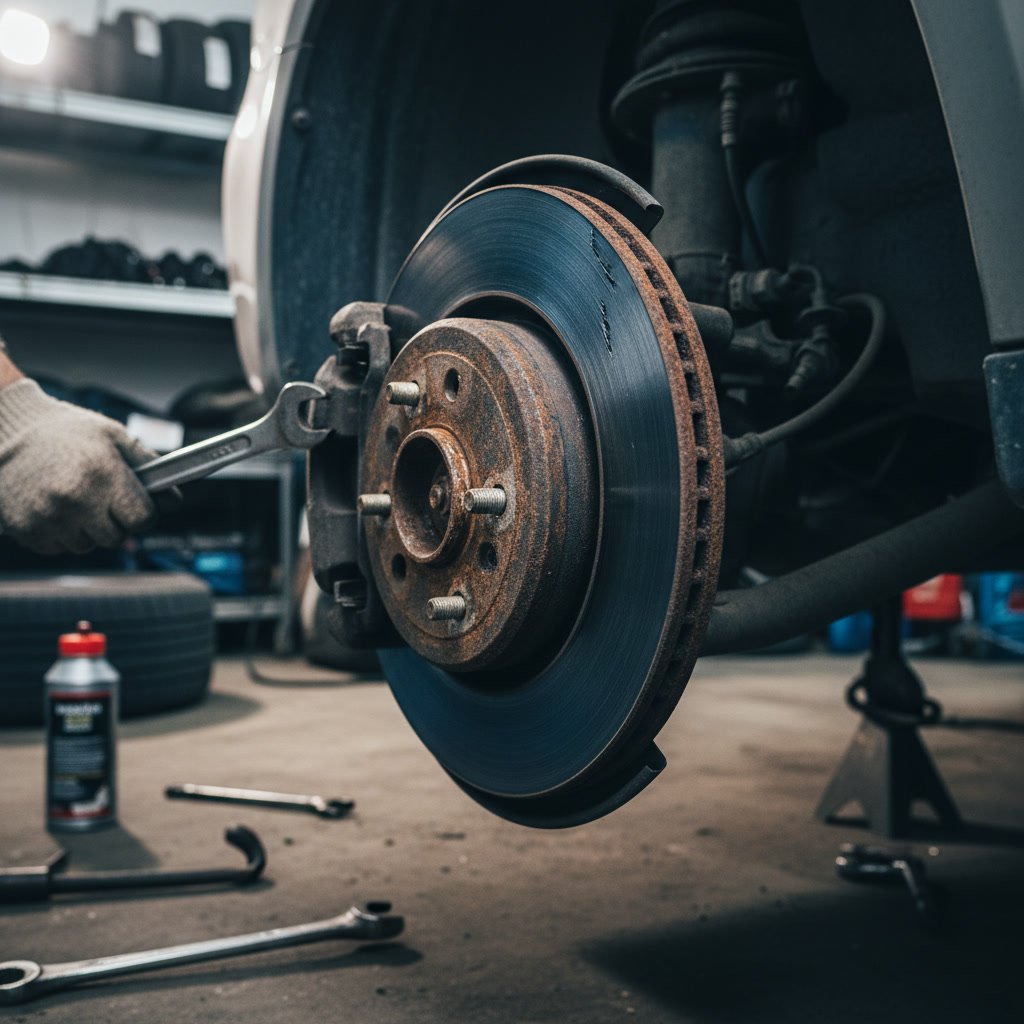
Brake calipers use hydraulic pressure to squeeze brake pads against the rotor whenever you press the brake pedal. When you release the pedal, the piston inside the caliper should retract, pulling the pads away from the rotor and allowing the wheel to spin freely. Floating calipers slide on pins or bolts to center the pads evenly, while fixed calipers use pistons on both sides of the rotor. Both designs depend on smooth movement and clean internal surfaces to function correctly.
The caliper piston travels through a rubber seal that creates hydraulic pressure and helps pull the piston back after braking. Guide pins or slide bolts allow the caliper body to move laterally, ensuring even pad contact. When any of these components corrode, swell, or seize, the caliper loses its ability to release pressure completely, and the brake pad remains in contact with the rotor even when your foot is off the pedal.
Recognizing the Warning Signs Before Damage Escalates
The earliest symptom is often a noticeable pull to one side when you apply the brakes. If the left front caliper sticks, the vehicle pulls left because that wheel experiences more braking force than the right. You might also notice the steering wheel is slightly off-center when driving straight, caused by continuous drag on one wheel. These signs appear before visible damage occurs, giving you a window to address the problem before it becomes expensive.
Another clear indicator is a burning smell after normal driving or a hot wheel after a short trip. Touch the wheel hub cautiously after driving, comparing the temperature between the left and right sides. A significantly hotter wheel suggests that caliper is dragging. You may also experience reduced fuel economy because the engine works harder to overcome the constant braking resistance.
Visual and Performance Clues That Point to Caliper Problems
Uneven brake pad wear is one of the most reliable diagnostic clues. When a caliper sticks, the pad on that corner wears much faster than the others. During routine inspections, you might see one pad worn down to the backing plate while the opposite side still has several millimeters of material remaining. This asymmetry is a strong signal that the caliper is not releasing properly.
You might also notice the vehicle pulling to one side even when you are not braking. A severely stuck caliper creates enough drag to affect straight-line tracking, especially at highway speeds. The brake pedal may feel harder than usual because the system compensates for the reduced hydraulic efficiency caused by the stuck piston. In extreme cases, the affected wheel may lock up entirely, making the vehicle difficult or unsafe to drive.
What Happens Inside a Seized Caliper
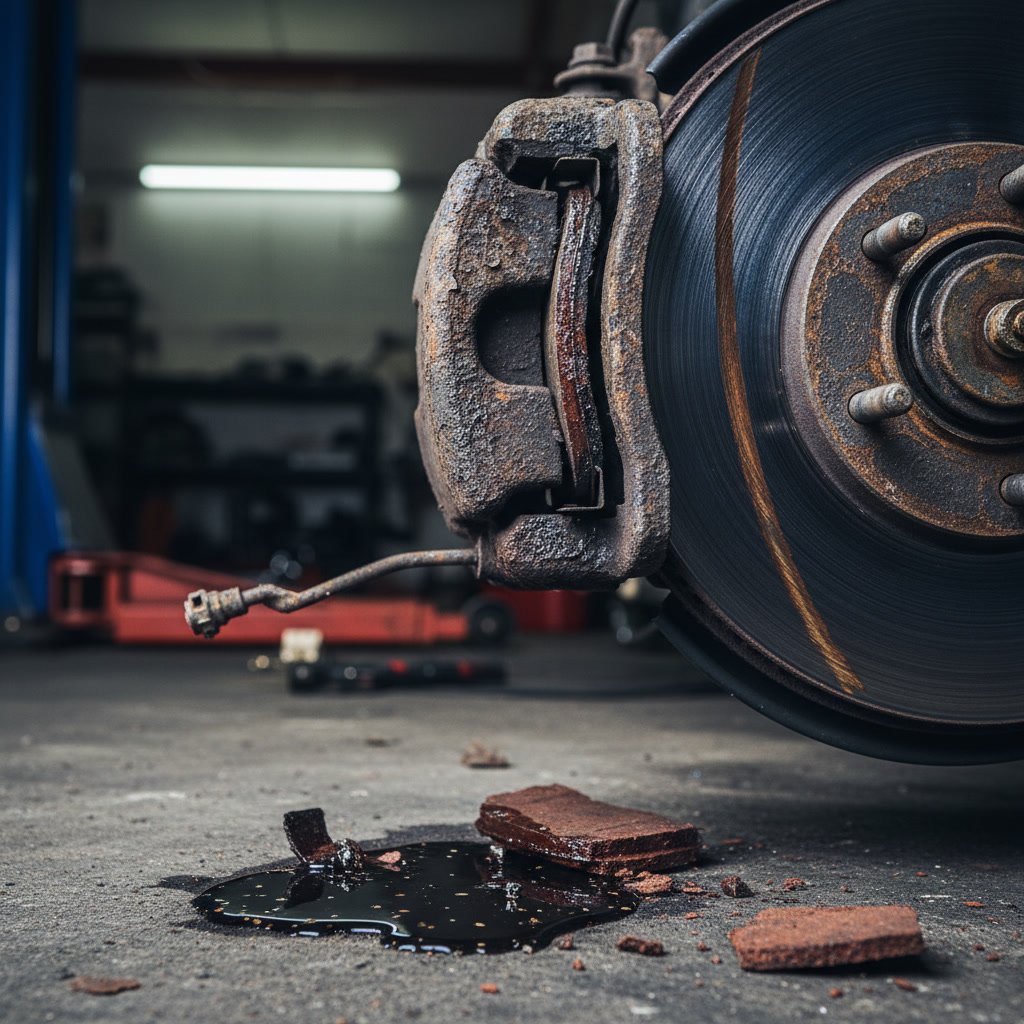
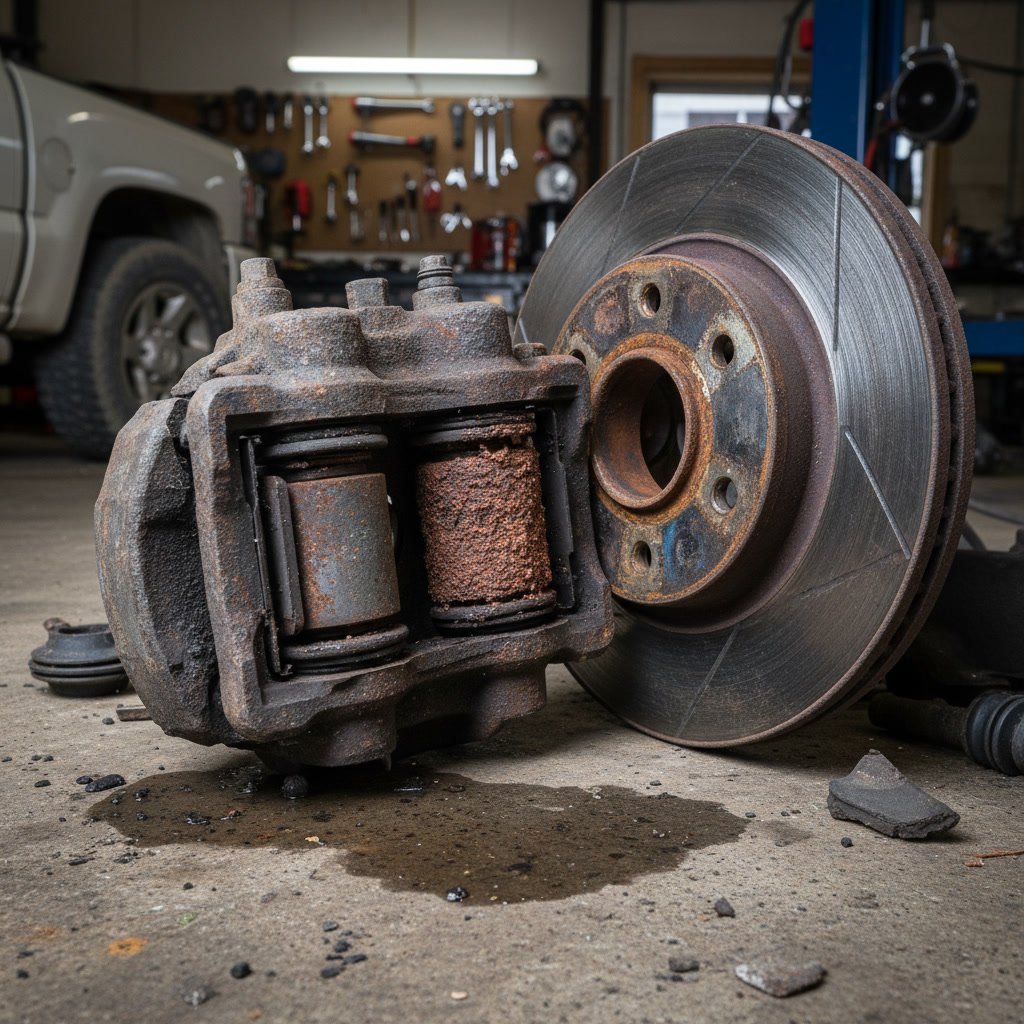
Caliper seizure typically starts with corrosion on the caliper slide pins or piston surface. Road salt, moisture, and age break down the protective rubber boots that cover these components. Once exposed, the metal surfaces oxidize and form rust or mineral deposits that prevent smooth movement. The piston may freeze in an extended position, or the slide pins may bind, locking the caliper body in place.
Heat accelerates the problem. A caliper that sticks even slightly generates excess heat, which degrades the brake fluid and damages the rubber seals. As the seals harden and crack, they lose the ability to retract the piston. This creates a feedback loop where partial sticking leads to heat buildup, which causes complete seizure. The rotor may warp from the sustained high temperatures, and in severe cases, the brake fluid can boil, leading to total brake failure.
Common Causes of Caliper Sticking in San Marcos and Central Texas
Moisture is the primary culprit in most caliper failures. Brake fluid absorbs water over time, lowering its boiling point and introducing corrosion inside the hydraulic system. When water reaches the caliper piston, it causes internal rust that prevents the piston from moving smoothly. This is why preventative maintenance schedules recommend flushing brake fluid every two to three years, even if the brakes feel normal.
Torn or missing dust boots allow contaminants to reach the slide pins and piston. A small tear in a rubber boot may seem insignificant, but it exposes precision surfaces to dirt, water, and road chemicals. Once contamination enters, the caliper loses its ability to slide or retract. Vehicles that sit unused for extended periods are especially vulnerable because moisture condenses inside the caliper without the heat cycling that occurs during regular driving.
How Sticking Calipers Damage Other Brake Components
A stuck caliper generates enough heat to warp the brake rotor, creating vibration and pulsation when you brake. The constant friction also glazes the brake pad surface, reducing its ability to grip the rotor effectively. You may notice longer stopping distances or a pedal that requires more effort, even though the pads are not fully worn. In some cases, the excessive heat transfers to the wheel bearing, shortening its lifespan and leading to additional repairs.
The hydraulic system also suffers. When one caliper sticks, the master cylinder works harder to maintain pressure throughout the system. This added strain can cause premature wear on the master cylinder seals, leading to a soft or spongy brake pedal. If the brake fluid boils due to extreme heat, air bubbles form in the lines, drastically reducing braking performance and creating a safety hazard.
Step-by-Step Breakdown of What Causes Caliper Seizure
First, contaminated or aged brake fluid introduces moisture into the system. Water corrodes the caliper piston and cylinder bore, creating rough surfaces that resist movement. Second, the rubber piston seal hardens from heat and age, losing its elasticity and failing to retract the piston after braking. Third, the caliper slide pins corrode or lose lubrication, preventing the caliper body from centering properly over the rotor.
Fourth, the dust boot tears or dislodges, allowing dirt and moisture to reach the piston or slide mechanism. Fifth, repeated heat cycles from normal braking accelerate the degradation of all rubber components, including seals and boots. Sixth, exposure to road salt or deicing chemicals in winter months speeds up corrosion on all metal surfaces. Finally, lack of movement during extended vehicle storage allows corrosion to set in without the cleaning action of regular piston movement.
When to Replace Versus Rebuild a Sticking Caliper
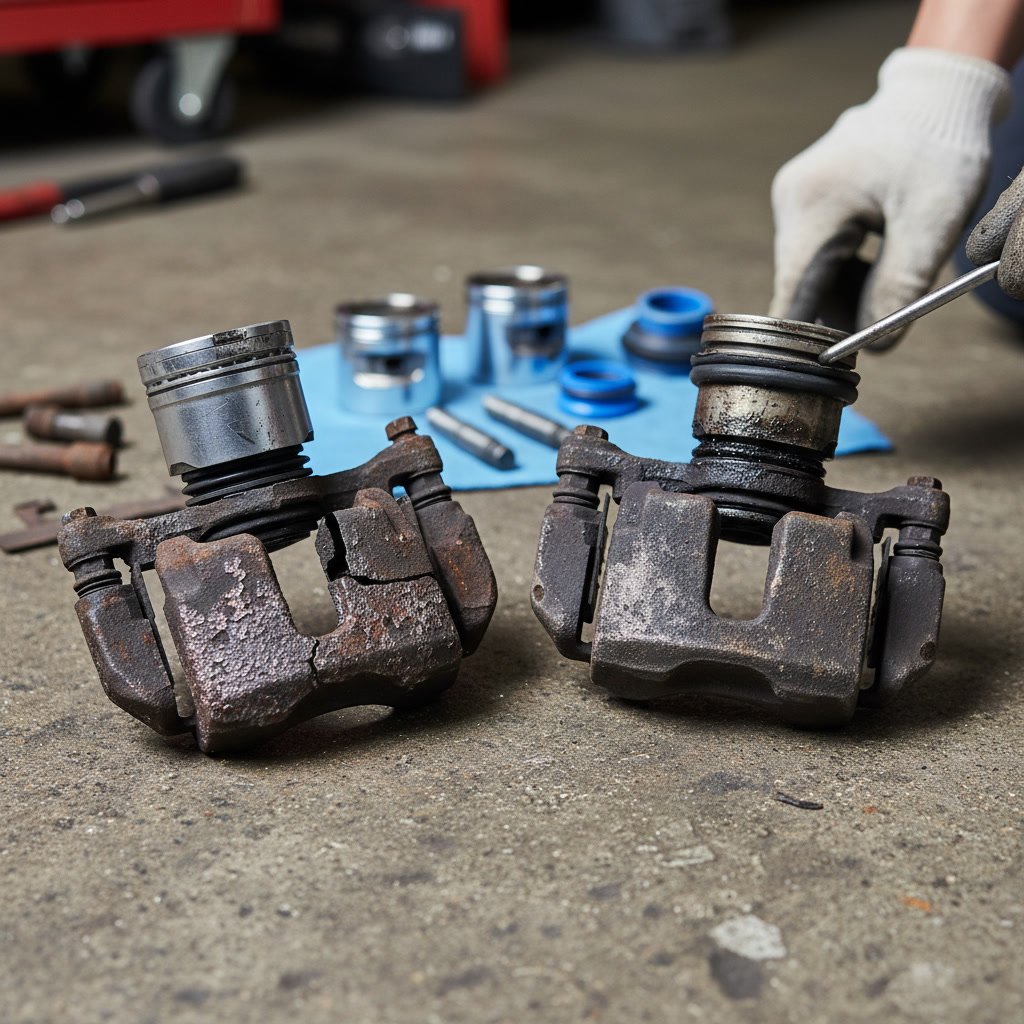
Rebuilding involves disassembling the caliper, cleaning all metal surfaces, and replacing the rubber seals, boots, and sometimes the piston. This approach works when the caliper body and piston bore are still smooth and free of deep pitting or corrosion. Rebuilding costs less than replacement and can restore full function if the damage is caught early. However, it requires specialized tools and precise cleaning to ensure the new seals sit correctly and the piston moves freely.
Replacement makes more sense when the caliper body shows cracks, the piston bore is deeply corroded, or the slide pin bores are damaged. Attempting to rebuild a severely corroded caliper often results in repeated failures because the metal surfaces cannot provide a proper seal. Many technicians recommend replacement on higher-mileage vehicles because the labor cost to rebuild approaches the price of a new or remanufactured caliper, and replacement offers a longer warranty and greater reliability.
How Preventative Maintenance Reduces Caliper Failures
Regular brake inspections catch early signs of caliper problems before they lead to complete seizure. A qualified technician checks the condition of the dust boots, measures pad wear on both sides, and tests caliper slide pin movement during routine service. Lubricating the slide pins with high-temperature brake grease every 12 months prevents corrosion and ensures smooth caliper movement. This simple step extends caliper life significantly and costs far less than replacement.
Flushing brake fluid on schedule removes moisture and contaminants before they cause internal corrosion. Fresh fluid maintains proper hydraulic function and protects all metal components inside the caliper. Vehicles driven in areas with harsh winters or high humidity benefit from more frequent fluid changes. Keeping the brake system clean and well-maintained is the most effective way to avoid the expense and safety risks associated with seized calipers.
Why Professional Diagnosis Matters for Brake Safety
Brake problems often present overlapping symptoms, and a sticking caliper can mimic issues with wheel bearings, alignment, or suspension components. Professional diagnosis uses hydraulic pressure testing, temperature measurement, and visual inspection to pinpoint the exact cause. Technicians also check for related problems such as damaged brake lines, master cylinder wear, or ABS sensor faults that might contribute to uneven braking.
Attempting DIY caliper replacement without proper tools or knowledge can introduce air into the brake lines, damage ABS components, or result in improper torque on critical fasteners. Brake work requires precision because any failure in the system directly affects your ability to stop safely. Shops that specialize in brake steering and suspension repair have the diagnostic equipment and experience to identify problems accurately and perform repairs that meet safety standards.
Keeping Your Vehicle Safe and Responsive
Sticking calipers compromise your ability to stop predictably and create expensive secondary damage if ignored. Recognizing the warning signs early and addressing the root causes through proper maintenance protects both your safety and your wallet. Brake systems depend on every component working in harmony, and a single seized caliper disrupts that balance.
If you notice any of the symptoms described here, such as pulling, uneven pad wear, or a hot wheel after driving, schedule an inspection immediately. APREMIER Auto Shops provides thorough brake diagnostics, honest repair recommendations, and transparent pricing for all brake system services. The team has experience with passenger vehicles, light trucks, and diesel models, ensuring your specific vehicle receives the attention it needs. Reach out at +15126497598 to discuss your brake concerns and keep your vehicle stopping safely.