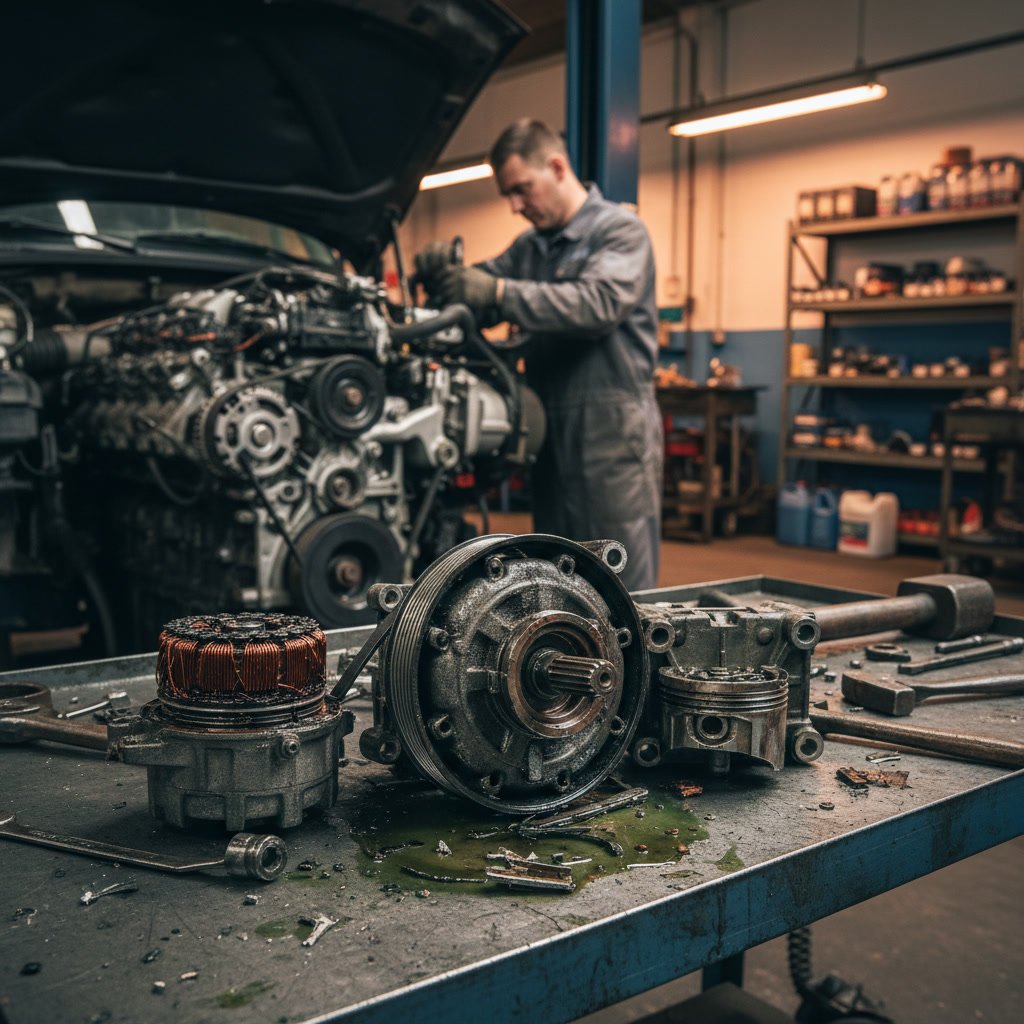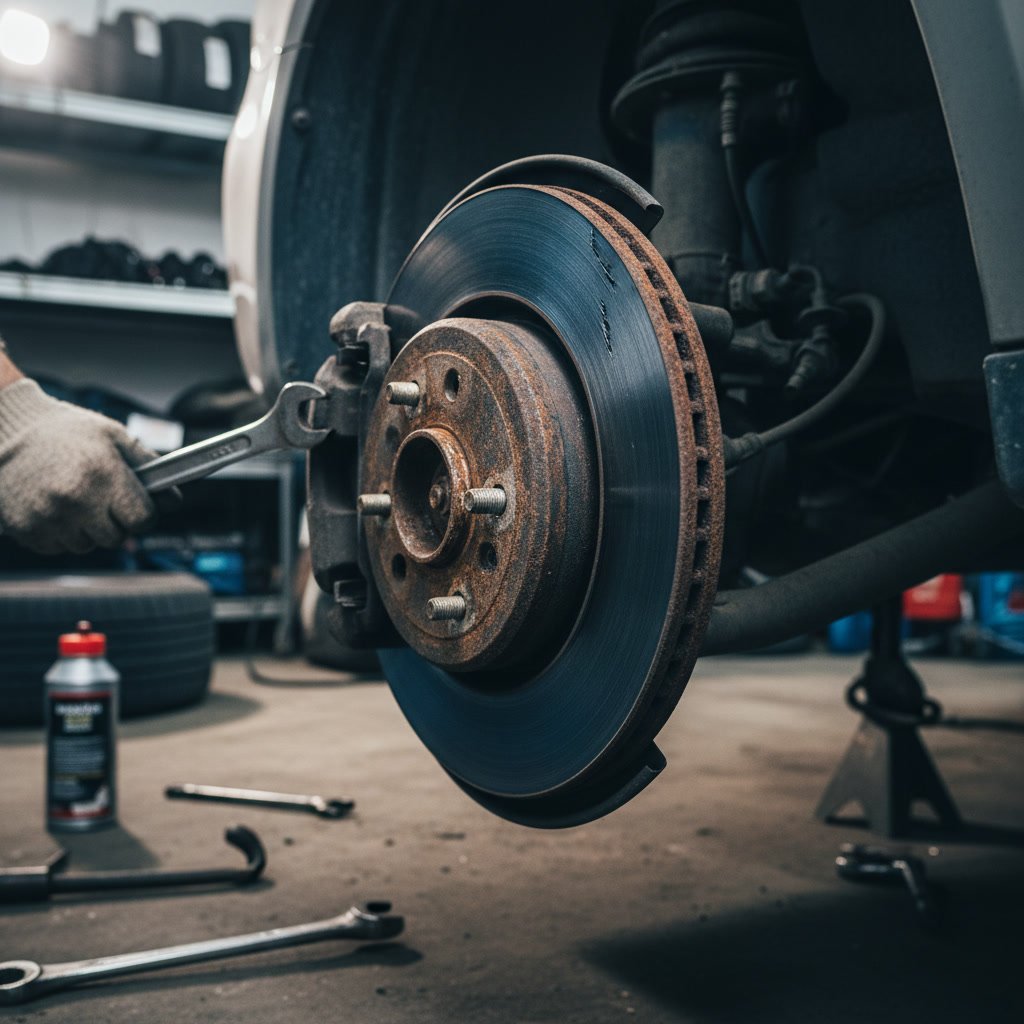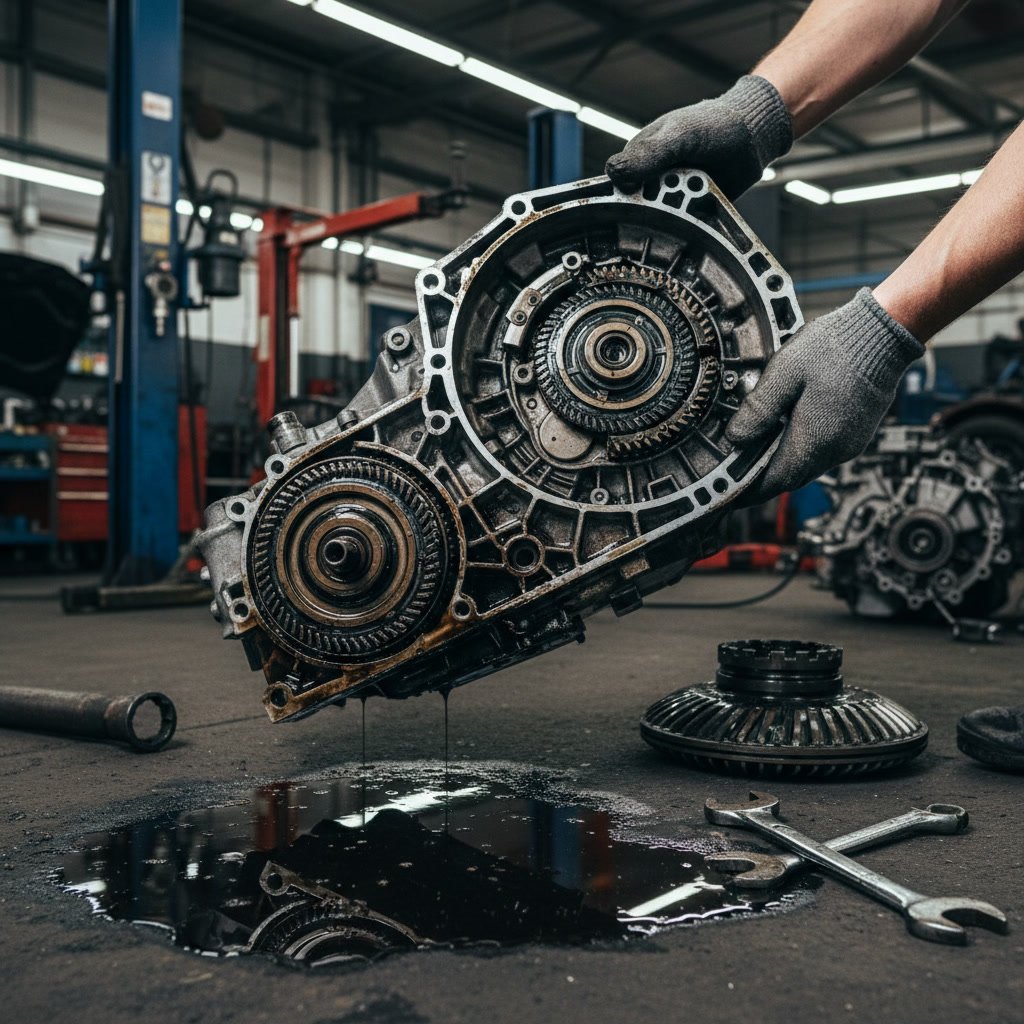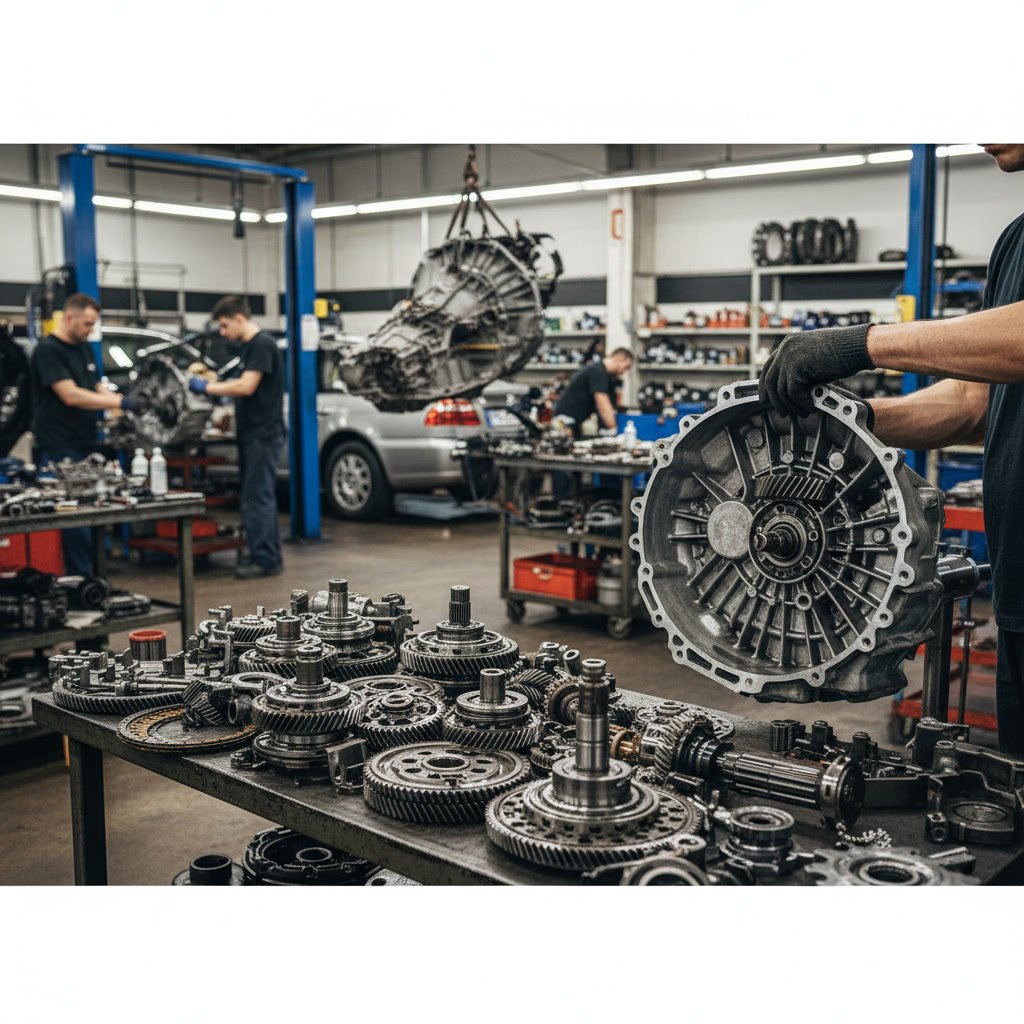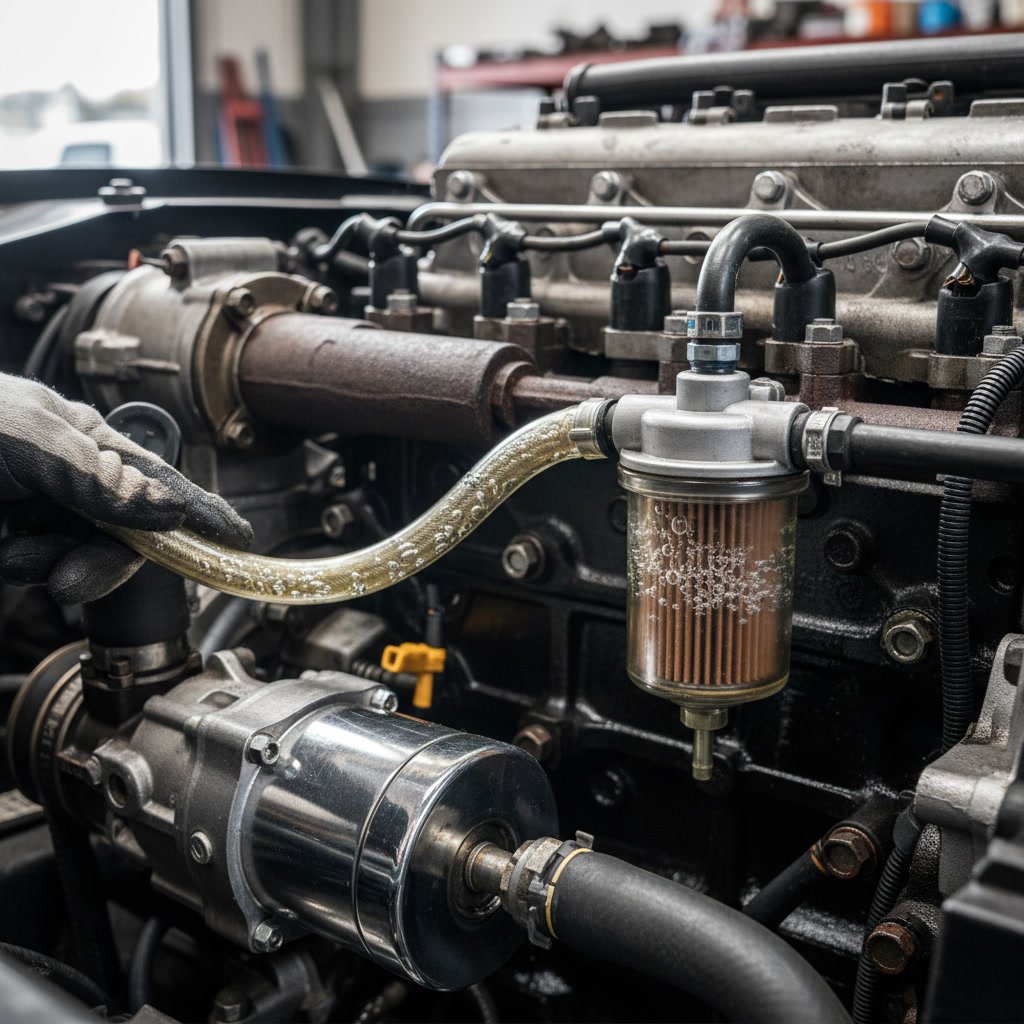

Engine oil leak diagnosis begins with locating where the oil is escaping and identifying the component or seal responsible. Different leak locations indicate specific failures, from worn gaskets and seals to cracked housings or loose drain plugs. The pattern, color, and consistency of the fluid, combined with the leak’s position relative to engine components, tells you what has failed and how urgently it needs attention. Most leaks start small but worsen over time, making early identification critical to avoiding expensive repairs.
Why Oil Leak Location Matters More Than Leak Size
A small drip from a valve cover gasket may remain stable for months, while a pinhole leak in an oil cooler line can drain your crankcase in minutes under highway pressure. Leak location determines not only the replacement part but also the labor involved and whether the repair can wait or demands immediate action. A rear main seal leak requires transmission removal on most vehicles, while a loose oil filter takes seconds to fix. Understanding where the oil originates lets you prioritize repairs and budget appropriately.
How to Identify the Source of an Oil Leak
Start with a clean engine. Degreasing the engine bay removes old residue and makes fresh leaks visible. Run the engine to operating temperature, then shut it off and inspect from above and below with a flashlight. Oil flows downward and backward due to airflow while driving, so the lowest or rearmost wet spot is rarely the source. Trace the oil trail upward to find where it originates. Fluorescent UV dye added to the oil, combined with a UV light inspection after 50 to 100 miles of driving, reveals slow leaks that are otherwise invisible.
What a Valve Cover Gasket Leak Indicates
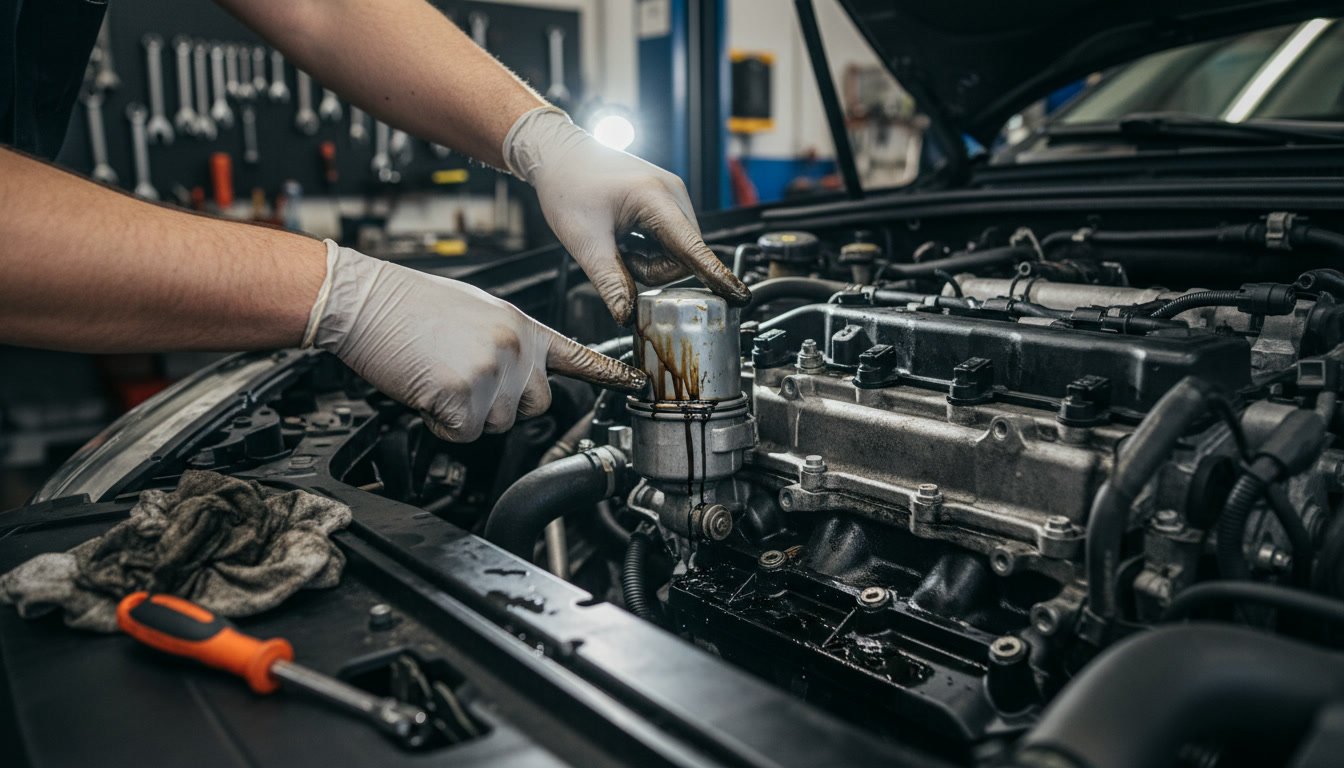
Valve cover leaks appear along the top sides of the engine where the valve covers bolt to the cylinder head. You will see oil seeping from the gasket perimeter, often migrating down the side of the block. Rubber valve cover gaskets harden and crack over time, especially on engines with high heat cycles. Some vehicles use cork gaskets that compress permanently and lose their seal. Valve cover leaks are common on higher-mileage engines and rarely cause immediate damage, but neglecting them leads to oil-soaked spark plug wells, misfires, and ignition coil failures. Addressing valve cover leaks as part of regular preventative maintenance keeps the engine clean and avoids secondary issues.
Oil Pan Gasket and Drain Plug Leaks in San Marcos
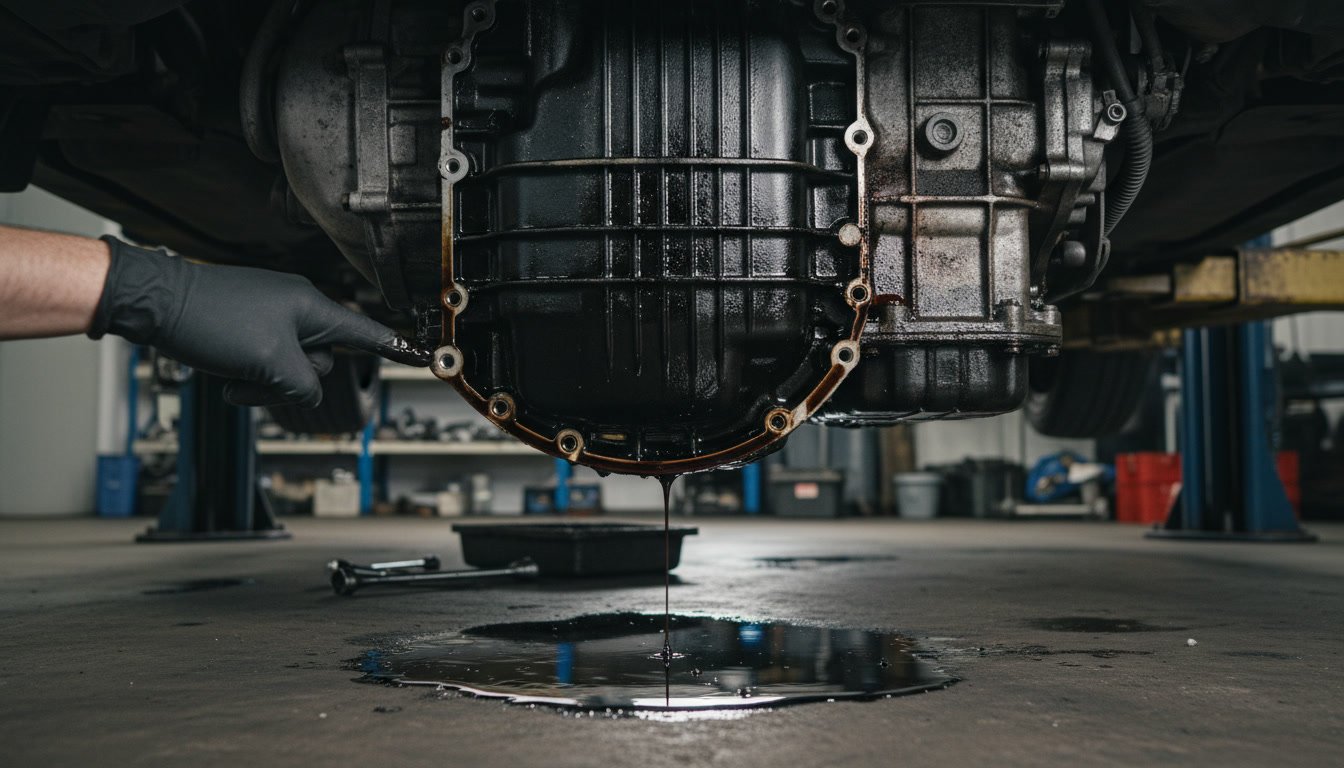
Oil pan leaks develop at the gasket where the pan bolts to the engine block or at the drain plug threads. Gasket leaks often result from over-tightened bolts, road debris impacts, or age-related gasket deterioration. You will notice oil accumulating on the lowest point of the pan or dripping from the rear edge. Drain plug leaks come from stripped threads, worn crush washers, or cross-threaded installation during previous oil changes. A properly torqued drain plug with a new crush washer should never leak. If you see fresh oil around the drain plug immediately after service, the washer was reused or the plug was not seated correctly. Shops performing quality work in San Marcos replace the crush washer at every oil change to prevent this issue.
Timing Cover and Front Crankshaft Seal Failures
The timing cover sits at the front of the engine and houses the crankshaft front seal. Leaks here appear low on the front of the engine, often dripping onto the ground near the center of the vehicle when parked. The crankshaft seal fails due to wear, hardening, or harmonic balancer wobble that damages the sealing surface. Timing cover gasket leaks occur when the gasket deteriorates or when cover bolts loosen over time. Oil slinging off the crankshaft pulley or harmonic balancer indicates a front seal leak, as the rotating components spread oil radially. Replacing the front seal often requires removing the harmonic balancer, serpentine belt, and sometimes the radiator, depending on the vehicle. Delaying this repair risks oil contamination of the accessory drive belt, which can lead to belt slip or failure.
Rear Main Seal Leaks and Transmission Bell Housing Oil
Rear main seal leaks appear at the back of the engine where the crankshaft exits to meet the flywheel or flexplate. Oil accumulates on the lower rear of the engine block, the transmission bell housing, or drips from the bell housing inspection cover. This is one of the most labor-intensive oil leaks to repair because it requires removing the transmission to access the seal. Rear main seals fail from age, crankshaft endplay wear, or excessive crankcase pressure caused by clogged PCV systems. A leaking rear main seal often leaves a puddle directly under the center rear of the engine after the vehicle has been parked overnight. If you see oil inside the bell housing, confirm whether the source is the rear main seal or the front transmission pump seal, as both can deposit oil in the same area. Our transmission repair and rebuild specialists can isolate the exact source during inspection.
Oil Filter Housing and Adapter Leaks
Oil filter housings and adapter plates can develop leaks at gasket surfaces or through cracked housings. Cartridge-style filters use a housing with replaceable filter elements and multiple O-rings or gaskets that can fail independently. Spin-on filters thread onto a filter adapter that seals to the engine block with a gasket. Leaks here appear as fresh oil running down from the filter area. Over-tightening the filter housing cap or spin-on filter can crack the housing or distort sealing surfaces, causing leaks even with new gaskets. Always verify that the old filter gasket has been removed before installing a new filter, as double-gaskets cause immediate, severe leaks. Oil filter leaks are straightforward repairs but require attention to proper torque specs and gasket placement to prevent recurrence.
Camshaft and Crankshaft Position Sensor O-Ring Leaks
Many engines mount camshaft and crankshaft position sensors directly into the engine block or timing cover with O-ring seals. These O-rings harden over time and allow oil seepage around the sensor body. Leaks from sensor O-rings are typically slow and appear as oily residue around the sensor rather than active drips. Sensor O-ring leaks are minor but can cause oil to migrate onto wiring harnesses and connectors, leading to corrosion or electrical faults. Replacing these O-rings during other engine work prevents future problems and takes only minutes when the area is already accessible.
When Oil Cooler and Oil Pressure Sender Leaks Require Immediate Action
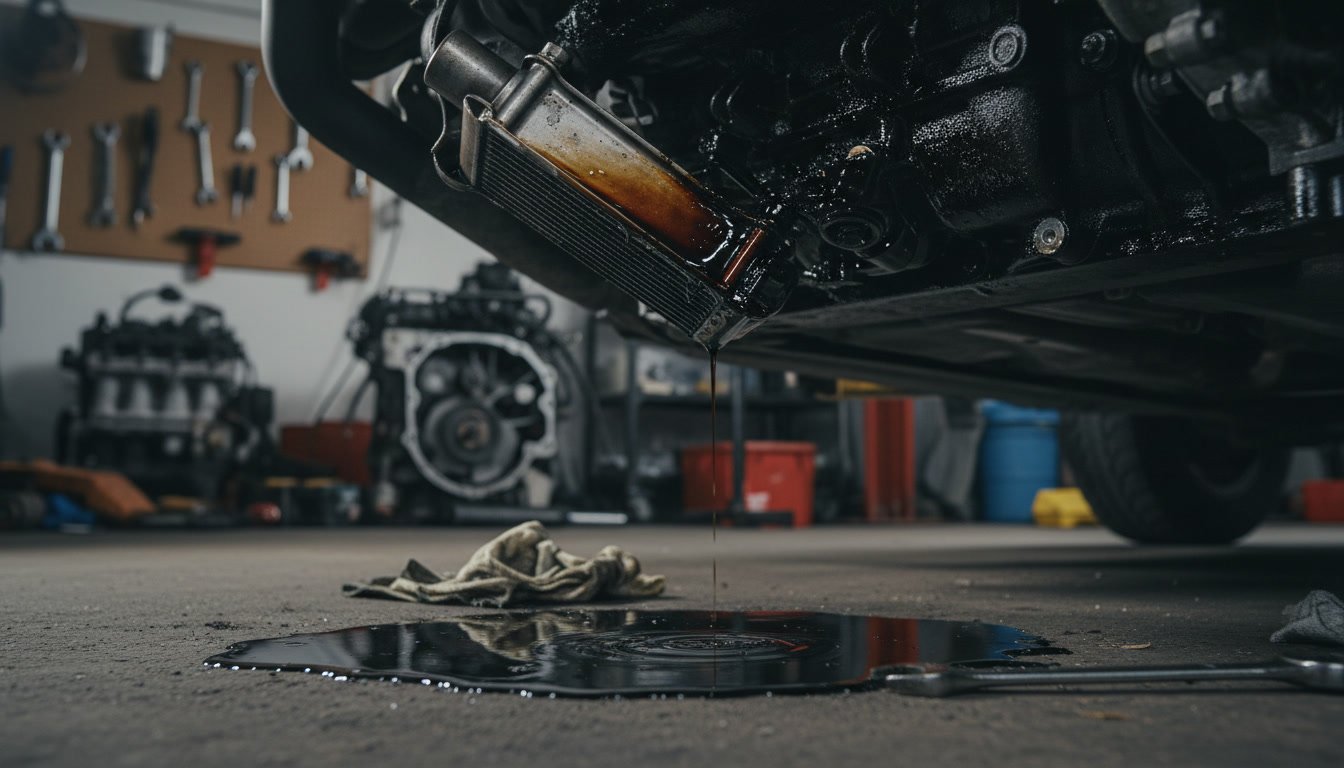
Oil coolers, common on diesel engines and some high-performance gasoline engines, use external lines or integrated coolers that can develop leaks at fittings, O-rings, or through cracked housings. Oil pressure senders thread into the engine block and seal with a tapered thread or copper crush washer. A leaking oil pressure sender can spray oil onto hot exhaust components, creating fire risk and heavy smoke. Oil cooler line leaks under pressure can drain the crankcase quickly, leading to oil starvation and catastrophic engine damage. If you see oil spraying or smell burning oil while driving, shut the engine off immediately and have the vehicle towed. Diesel owners should understand how diesel engines work and the unique pressures diesel oil systems operate under, as oil cooler failures on diesels can be especially severe. Never drive a vehicle with an active oil spray leak.
PCV System Failures That Cause Multiple Leak Points
A clogged or failed positive crankcase ventilation system increases internal crankcase pressure, forcing oil past seals that would otherwise hold. When PCV valves stick closed or hoses become blocked, pressure builds and pushes oil out through the weakest seals, often the valve cover gaskets, front and rear main seals, or dipstick tube. Multiple simultaneous oil leaks appearing on a higher-mileage engine often point to excessive crankcase pressure rather than coincidental seal failures. Before replacing every gasket, verify PCV system function by checking for vacuum at the oil filler cap with the engine running or testing the PCV valve for proper operation. Cleaning or replacing PCV components costs far less than replacing multiple seals and often resolves the root cause. This diagnostic step is part of thorough engine component repairs and prevents repeat failures after seal replacement.
Protecting Your Engine From Leak Damage
Identifying the leak source is the first step, but understanding urgency determines your next action. Monitor oil level weekly if you have a known slow leak and keep extra oil in the vehicle. Oil leaks contaminate oxygen sensors, catalytic converters, and undercoating, and they create slip hazards on driveways. Leaking oil onto hot exhaust manifolds produces acrid smoke and odor that enters the cabin through the ventilation system. Large leaks cause low oil pressure, which triggers warning lights and can lead to bearing damage, scored cylinders, or complete engine seizure within minutes. Small leaks become large leaks as seals degrade further, so addressing them early saves money and prevents roadside breakdowns.
APREMIER Auto Shops provides comprehensive engine oil leak diagnosis and repair for all makes and models. Whether you drive a diesel truck, passenger car, or manage a fleet, our team identifies leak sources accurately and explains your options with transparent pricing. Free estimates are available when repairs are completed the same day or scheduled during your visit.
If you notice oil spots under your vehicle or see oily residue on engine components, contact our team for an inspection. Reach APREMIER Auto Shops at (512) 649-7598 to schedule your leak diagnosis and keep your engine running reliably.