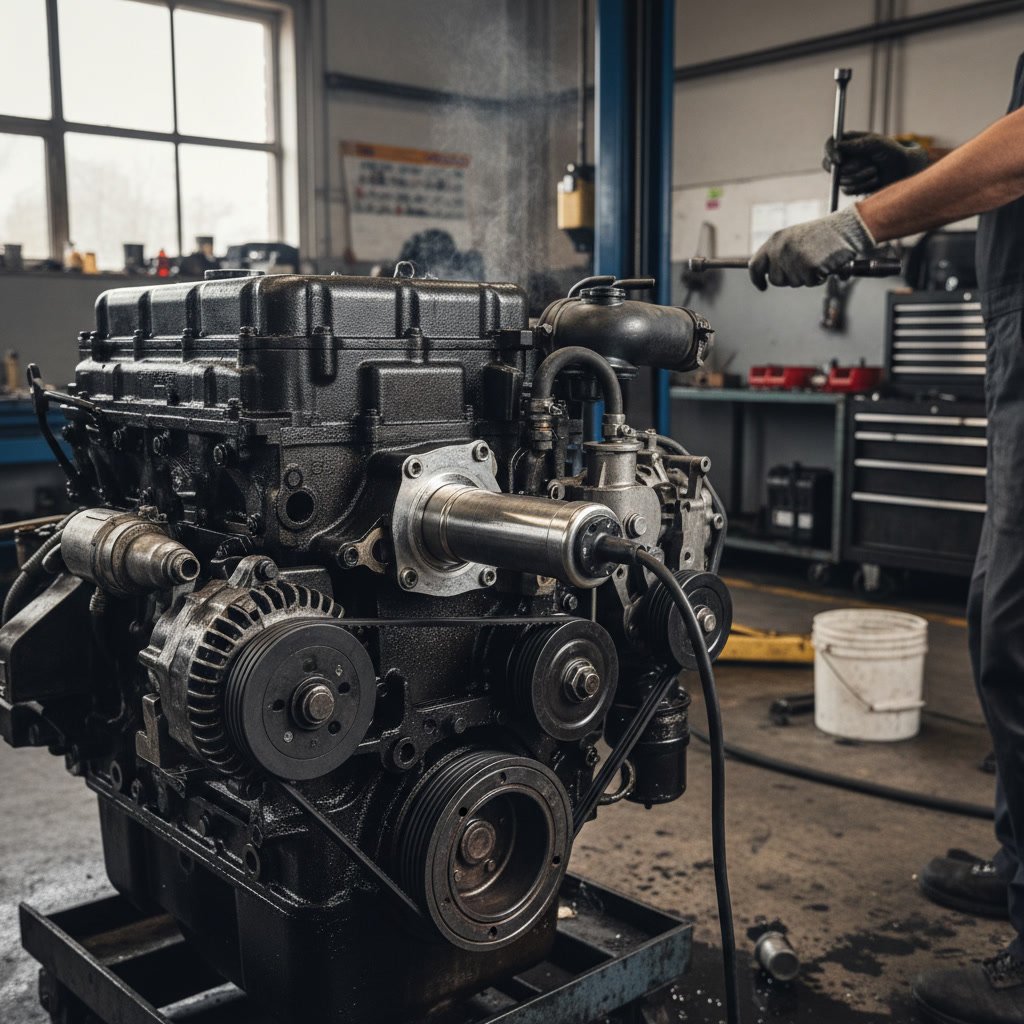
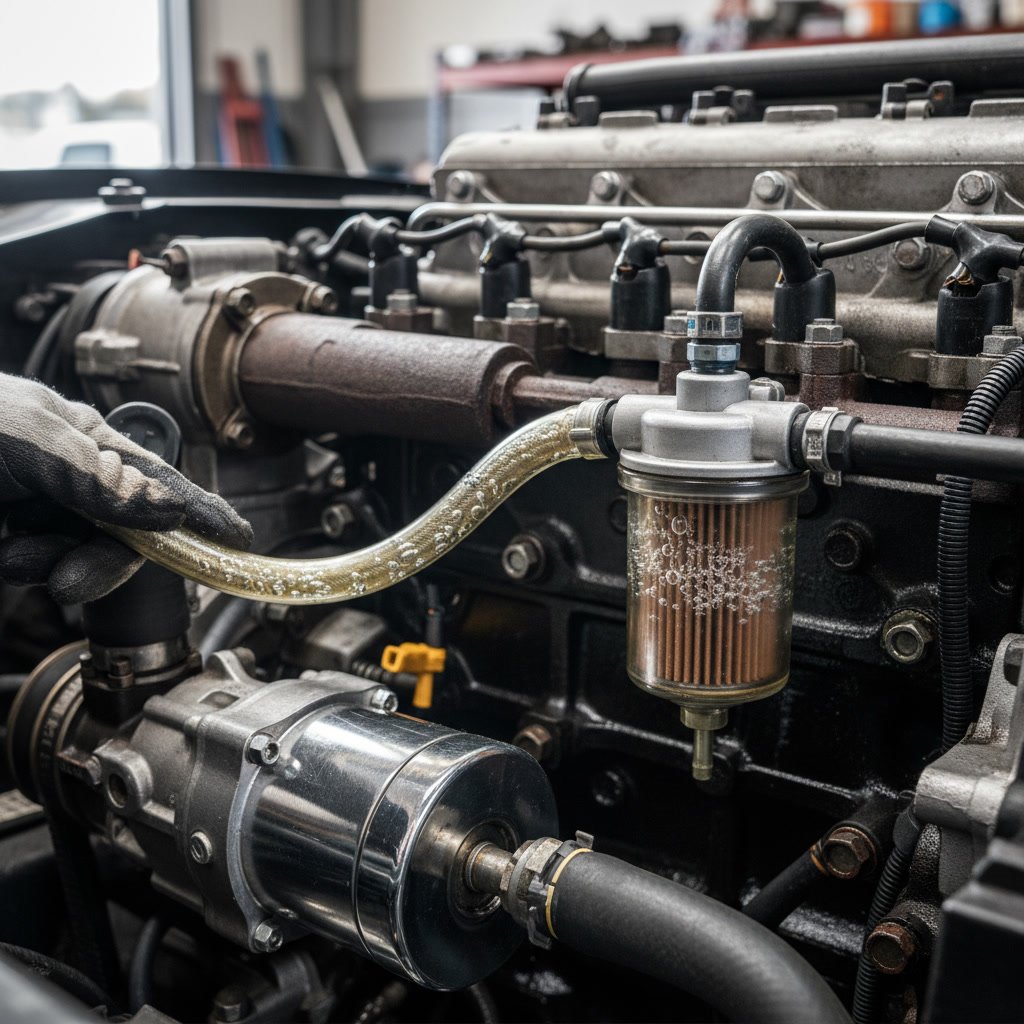
Air in diesel fuel system disrupts the precision fuel delivery diesel engines depend on, preventing proper combustion and causing a range of driveability problems. Unlike gasoline engines that can tolerate small amounts of air in fuel lines, diesel systems operate under much higher pressure and require an airtight fuel path from tank to injector. When air enters anywhere along that path, symptoms appear quickly and can progress from annoying to severe if left unaddressed.
Why Diesel Fuel Systems Are Especially Sensitive to Air
Diesel engines rely on precise fuel metering and extremely high injection pressures to atomize fuel for efficient combustion. The fuel system maintains a continuous supply of diesel under pressure, and any air bubble interrupts that flow. Because diesel fuel also lubricates injector components and the high-pressure pump, air reduces lubrication where it matters most. The system cannot compress air the way it compresses liquid fuel, so even a small pocket of air creates pressure drops that starve injectors and cause incomplete combustion.
Hard Starting and Extended Cranking Before the Engine Catches
One of the earliest and most common signs of air intrusion is difficulty starting the engine, especially after the vehicle sits overnight or for several hours. You turn the key and the engine cranks longer than usual before finally firing, or it may fail to start altogether until you try a second or third time. This happens because air has replaced fuel in the lines or filter housing while the vehicle was parked, and the lift pump must push that air through the system before enough fuel reaches the injectors to support combustion. If you notice your diesel requires multiple cranking cycles or takes noticeably longer to start than it did when new, air is likely entering the fuel system somewhere between the tank and the injection pump.
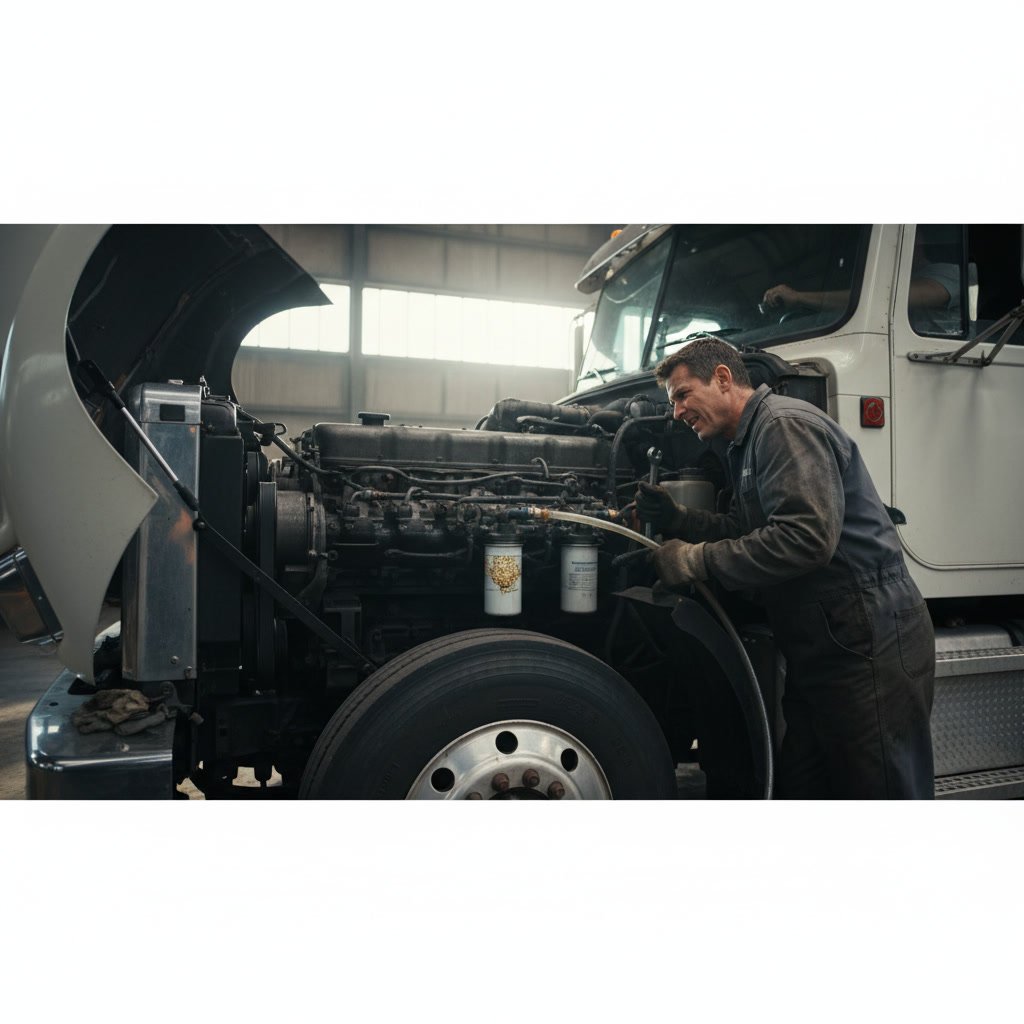
Rough Idle and Engine Stumbling During Low-Speed Operation
Air bubbles passing through the injectors create an inconsistent fuel supply that manifests as rough or uneven idle. The engine may shake more than normal, produce a rhythmic miss, or feel like it wants to stall when you come to a stop. At low speeds or during light throttle application, you might feel the engine surge or hesitate as pockets of air interrupt fuel delivery. This symptom often comes and goes, worsening when the fuel tank level drops below half or after the vehicle sits for extended periods. The inconsistency happens because air pockets move through the system intermittently rather than in a steady stream.
Loss of Power Under Load and Acceleration Hesitation
When you press the accelerator and the engine fails to respond with the expected power, air in the fuel system may be limiting fuel flow to the injectors. You might notice the vehicle struggles on hills, hesitates during highway merges, or feels sluggish when towing or hauling a load. The engine simply cannot produce rated power when air replaces liquid fuel in the high-pressure side of the system. Some drivers describe it as the engine running out of breath or hitting an invisible ceiling during acceleration. This symptom becomes more pronounced under load because the engine demands higher fuel volume, and any air intrusion becomes more disruptive to the fuel supply.
White or Gray Smoke From the Exhaust
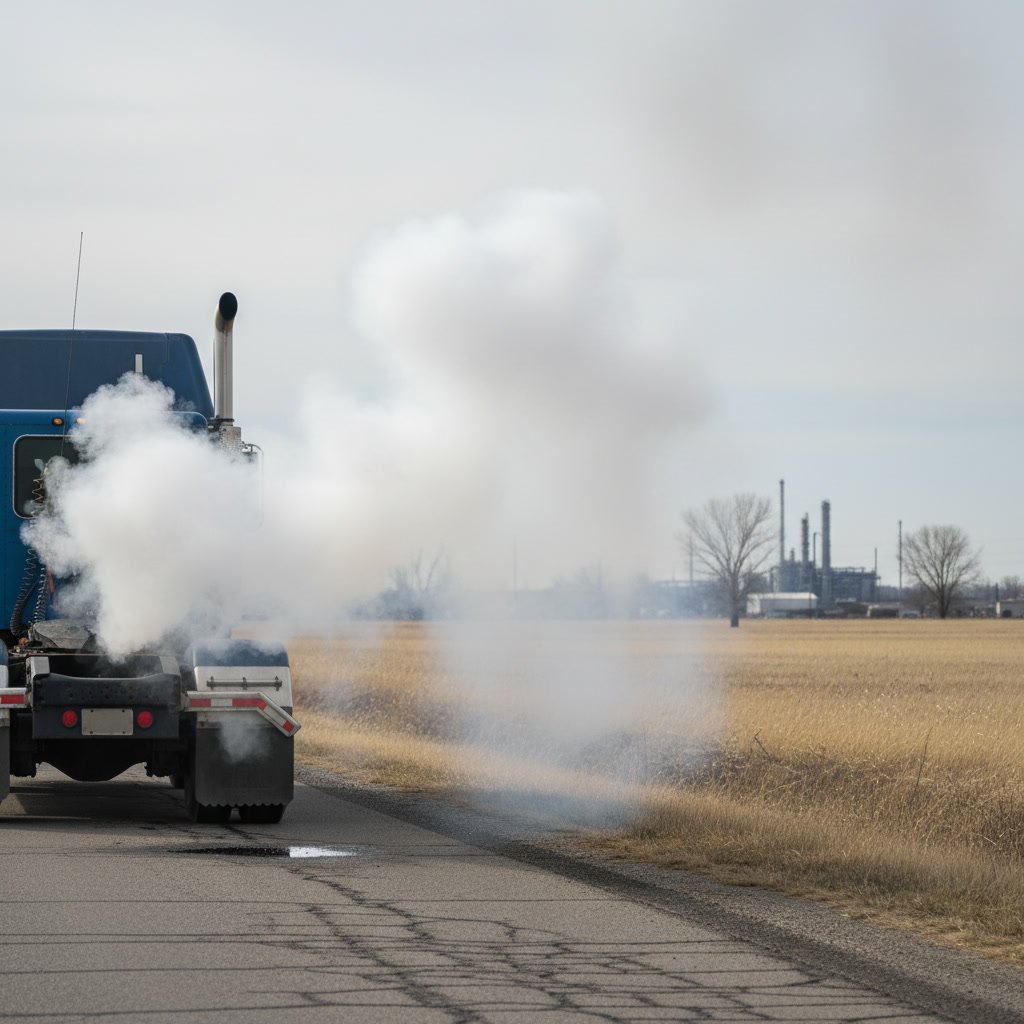
Incomplete combustion caused by inconsistent fuel delivery often produces white or light gray smoke from the exhaust. When air interrupts the fuel stream, the combustion chamber receives insufficient fuel for complete burning, and unburned or partially burned diesel exits as visible smoke. This differs from the black smoke of overfueling or the blue-gray smoke of oil consumption. White smoke from air-related fuel starvation tends to be most noticeable during idle, light throttle, or just after startup, and it may clear somewhat once the engine reaches operating temperature and fuel flow stabilizes. Persistent white smoke combined with hard starting and rough idle points strongly toward air intrusion rather than injector or glow plug issues.
Damaged or Deteriorated Fuel Lines and Connections in San Marcos
Fuel lines on diesel vehicles endure constant vibration, heat cycling, and exposure to road salt and debris. Over time, rubber hoses become brittle and develop small cracks, compression fittings loosen, and O-rings inside quick-disconnect couplings harden and lose their seal. These small openings allow air to enter the system on the suction side of the fuel pump, where the system operates under vacuum. Even a pinhole leak invisible to the naked eye can draw in enough air to cause symptoms. In Central Texas heat, rubber fuel lines age faster, and the constant temperature swings between day and night accelerate deterioration. Regular inspection of all fuel line connections, especially around the fuel filter housing and lift pump, helps catch these issues before they strand you.
Worn or Leaking Fuel Injector Seals and Return Lines
Injectors seal against the cylinder head with copper or composite washers, and they connect to return lines that route excess fuel back to the tank. When these seals wear or the return line connections loosen, air can enter the high-pressure side of the fuel system. This is particularly common on higher-mileage diesels or trucks that have had injectors removed and reinstalled without replacing seals. Return line issues often create air intrusion that worsens gradually, starting with occasional rough idle and progressing to more persistent symptoms. Professional diesel repair and maintenance includes inspecting these critical seal points during routine service intervals.
Faulty Lift Pump or Low-Pressure Fuel Pump Failure
The lift pump or low-pressure fuel pump moves diesel from the tank to the high-pressure injection pump. When this component weakens or fails, it cannot maintain adequate pressure on the suction side of the system, allowing air to be drawn in through any marginal seal or connection. Some diesel engines rely on the lift pump to keep the entire fuel path pressurized and prevent air intrusion, so even partial pump failure creates vulnerability. A failing lift pump often shows symptoms that mirror air intrusion because the root cause is the same: insufficient fuel delivery. Testing fuel pressure at the filter housing with a mechanical gauge provides a clear picture of lift pump health and helps distinguish pump failure from leak-related air entry.
Loose Fuel Filter Housing and Drain Valve Leaks
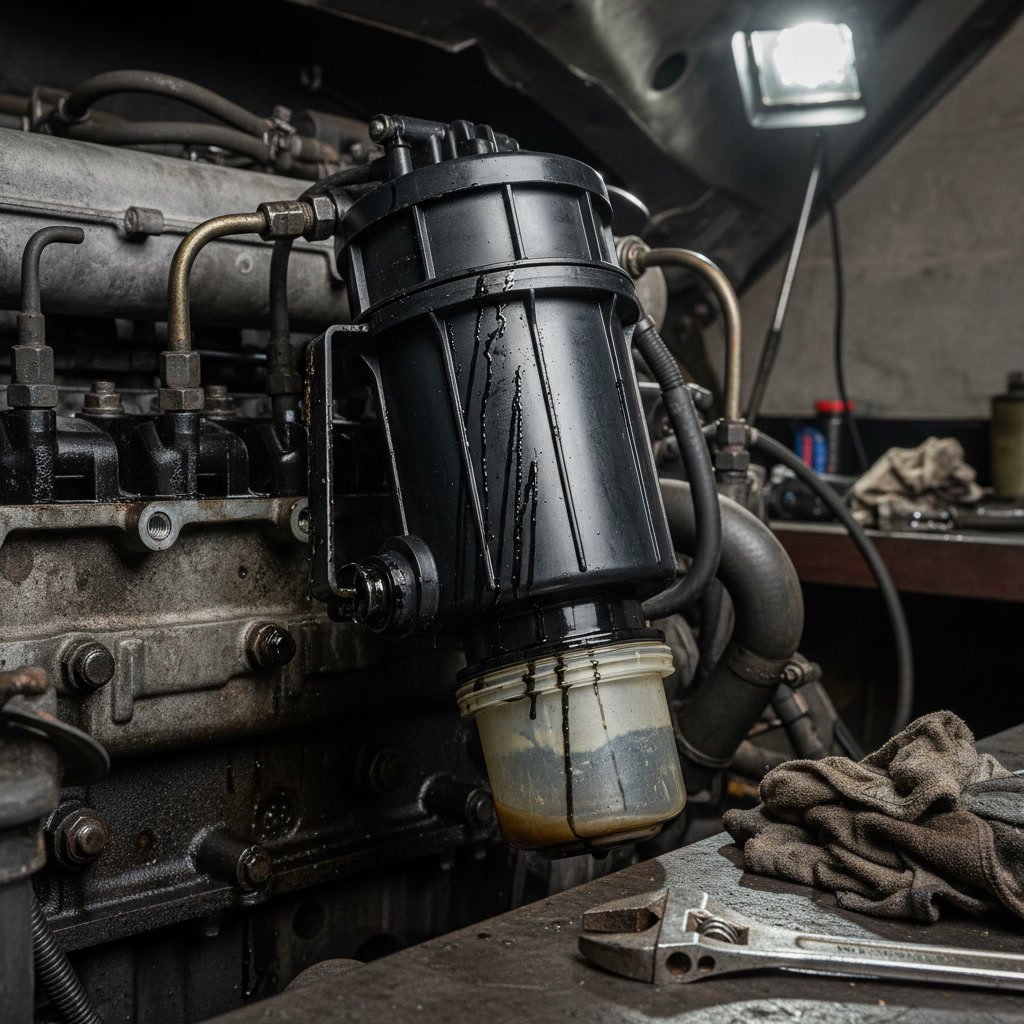
The fuel filter housing contains multiple seal points, drain valves, and sensors, all of which represent potential air entry points. The filter itself seals with an O-ring or gasket, the housing cover uses another seal, and the water drain valve at the bottom relies on a tapered seat or O-ring to prevent leaks. If any of these components are not tightened properly after a filter change, or if a seal has aged and hardened, air can enter every time the engine runs. This is one reason preventative maintenance performed by experienced technicians matters: proper seal inspection and correct torque specifications prevent most filter housing air leaks. Always crack the drain valve and confirm only fuel comes out, with no bubbles or air mixed in, as part of routine fuel system inspection.
Cracked Fuel Tank Pickup Tube or In-Tank Components
Inside the fuel tank, the pickup tube draws diesel from the lowest point and routes it to the lift pump. This tube can crack from age, impact damage, or corrosion, allowing air to enter the system right at the source. Similarly, the in-tank fuel pump module on some diesel trucks includes check valves and seals that can fail and introduce air. These issues are harder to diagnose because the components are hidden inside the tank, but they often cause symptoms that worsen as the fuel level drops and the pickup tube becomes partially exposed. If you have ruled out all external leaks and the problem intensifies with less than a quarter tank, suspect in-tank component failure. Accessing and inspecting these parts typically requires dropping the fuel tank, which is why thorough external diagnostics come first.
Preventing Air Intrusion and Keeping Your Diesel Running Reliably
Air entry into diesel fuel systems rarely happens all at once. Small leaks develop gradually, symptoms appear intermittently, and the problem worsens over time if ignored. Catching these issues early prevents more expensive secondary damage to injectors and high-pressure pumps. Replace fuel filters on schedule using quality parts with proper seals. Inspect all visible fuel lines, connections, and fittings during oil changes or other routine service. Address hard starting or rough idle as soon as you notice it rather than waiting for the problem to escalate. If your truck has been sitting unused for weeks or months, prime the fuel system before attempting to start to avoid running the injection pump dry. Understanding how diesel engines work helps you recognize when symptoms point to fuel delivery problems rather than other systems.
Keeping Your Diesel Fuel System Airtight and Operating Properly
Air intrusion in diesel fuel systems creates a cascade of symptoms that range from minor annoyances to complete no-start conditions. Hard starting, rough idle, power loss, and white smoke all point to air interrupting the precise fuel delivery your engine depends on. Common causes include deteriorated fuel lines, worn injector seals, faulty lift pumps, and loose filter housing components. Recognizing these signs early and addressing the root cause prevents more serious damage and keeps your diesel running the way it should. If you are experiencing any of these warning signs, understanding what causes them is the first step toward reliable operation.
APREMIER Auto Shops provides complete diesel diagnostics and fuel system repair for trucks throughout Hays County. Our technicians use pressure testing and systematic inspection to pinpoint exactly where air is entering your fuel system, then perform the repairs needed to restore proper operation. Whether you are dealing with hard starting, power loss, or persistent rough idle, reach out at +15126497598 to schedule a diagnostic and get your diesel back to full performance.