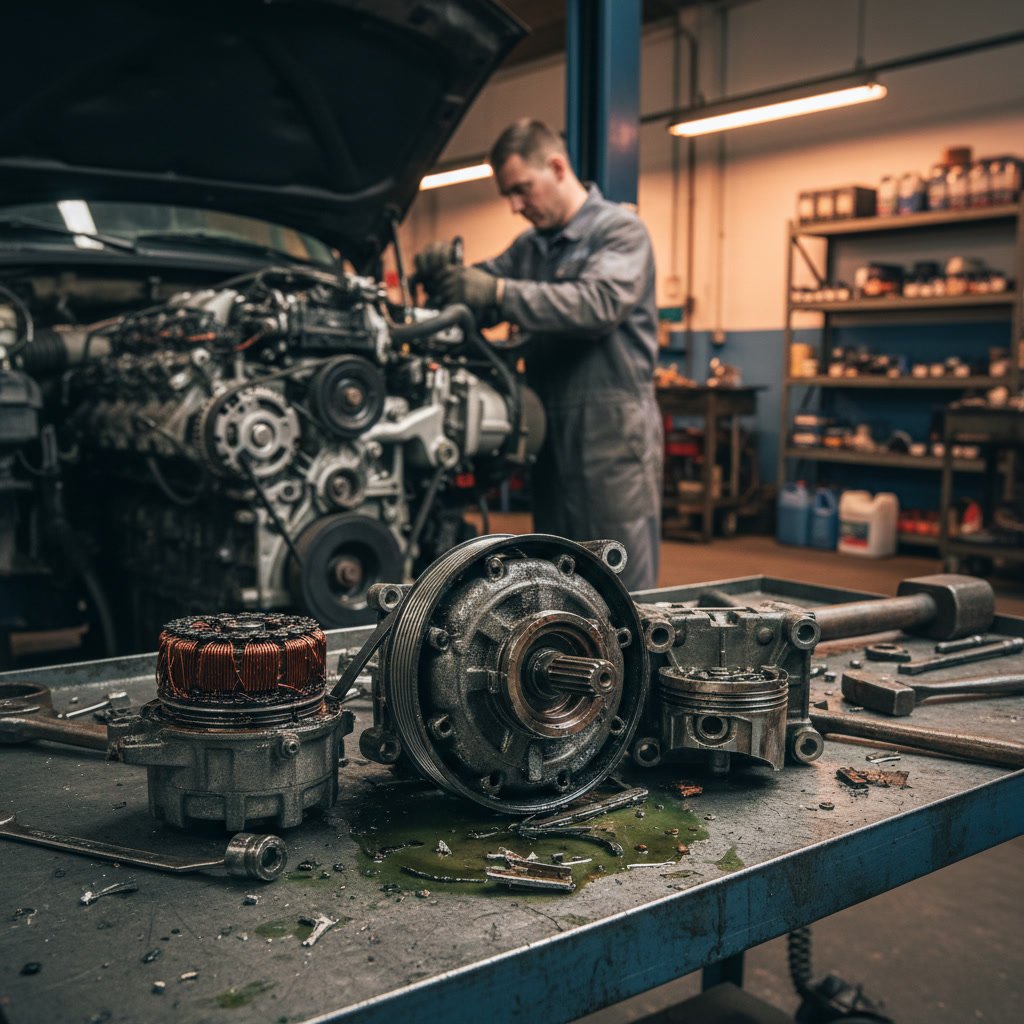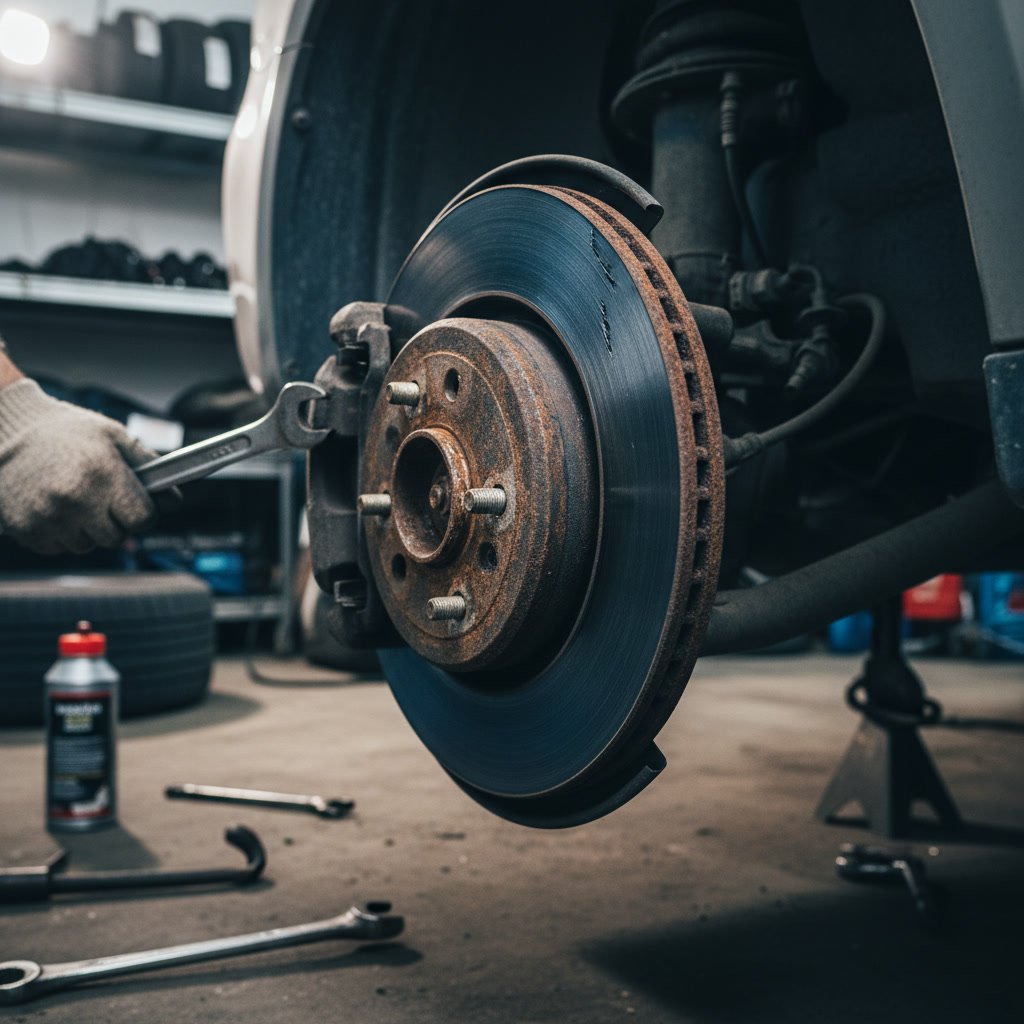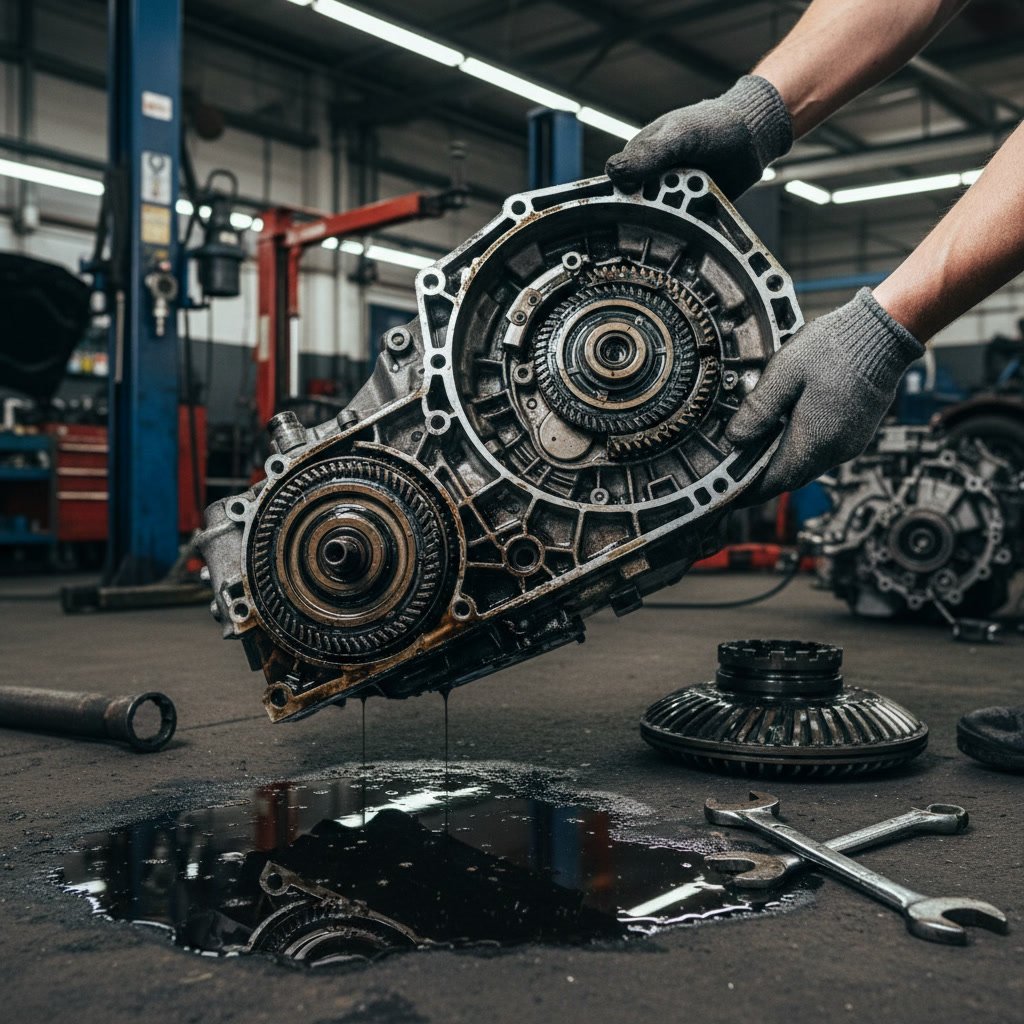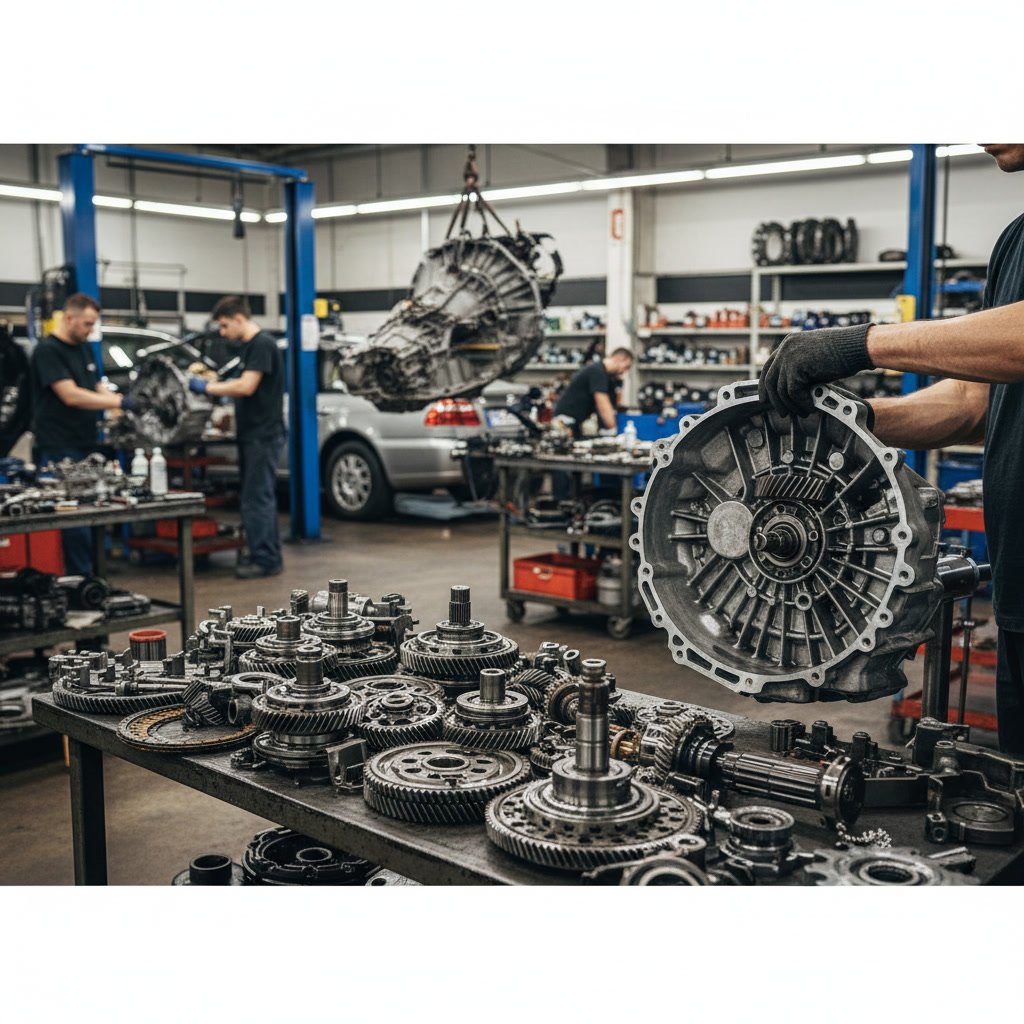
A turbocharger uses exhaust gases to compress incoming air, allowing a diesel engine to burn more fuel and generate significantly more power without increasing engine size. When diesel turbocharger problems develop, you’ll notice reduced power, excessive smoke, unusual noises, or poor fuel economy. Most turbo failures stem from oil contamination, heat damage, or foreign object ingestion, and catching these issues early can save thousands in repair costs.
Why Diesel Engines Rely on Turbochargers
Diesel engines operate on compression ignition rather than spark plugs. The higher the compression ratio, the more efficiently diesel fuel burns. Turbochargers allow manufacturers to extract more power from smaller displacement engines while maintaining fuel efficiency. A naturally aspirated diesel might produce 25 horsepower per liter, while a turbocharged version of the same block can deliver 50 or more. This efficiency matters for work trucks, fleet vehicles, and heavy-duty applications where torque and fuel economy directly affect operating costs. Understanding how diesel engines work helps explain why the turbo plays such a critical role in performance.
The Basic Architecture of a Diesel Turbocharger
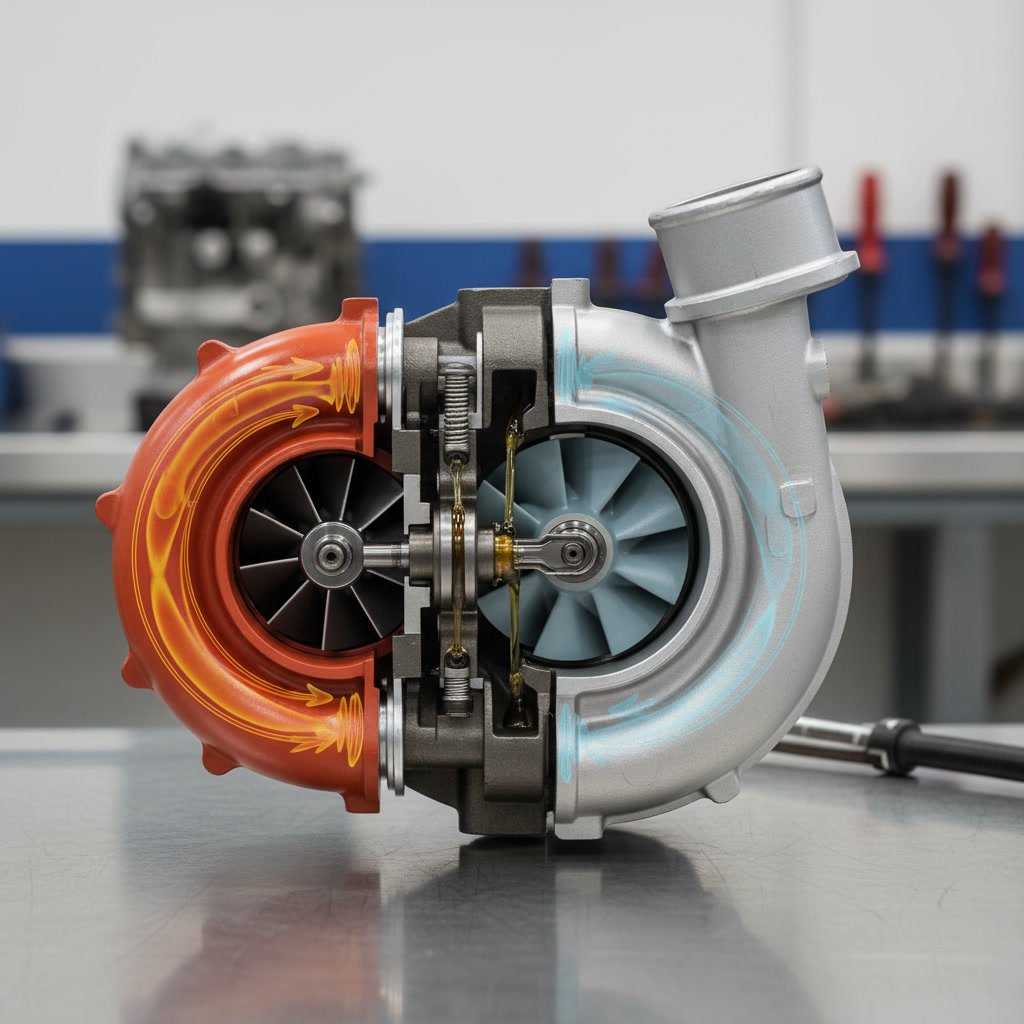
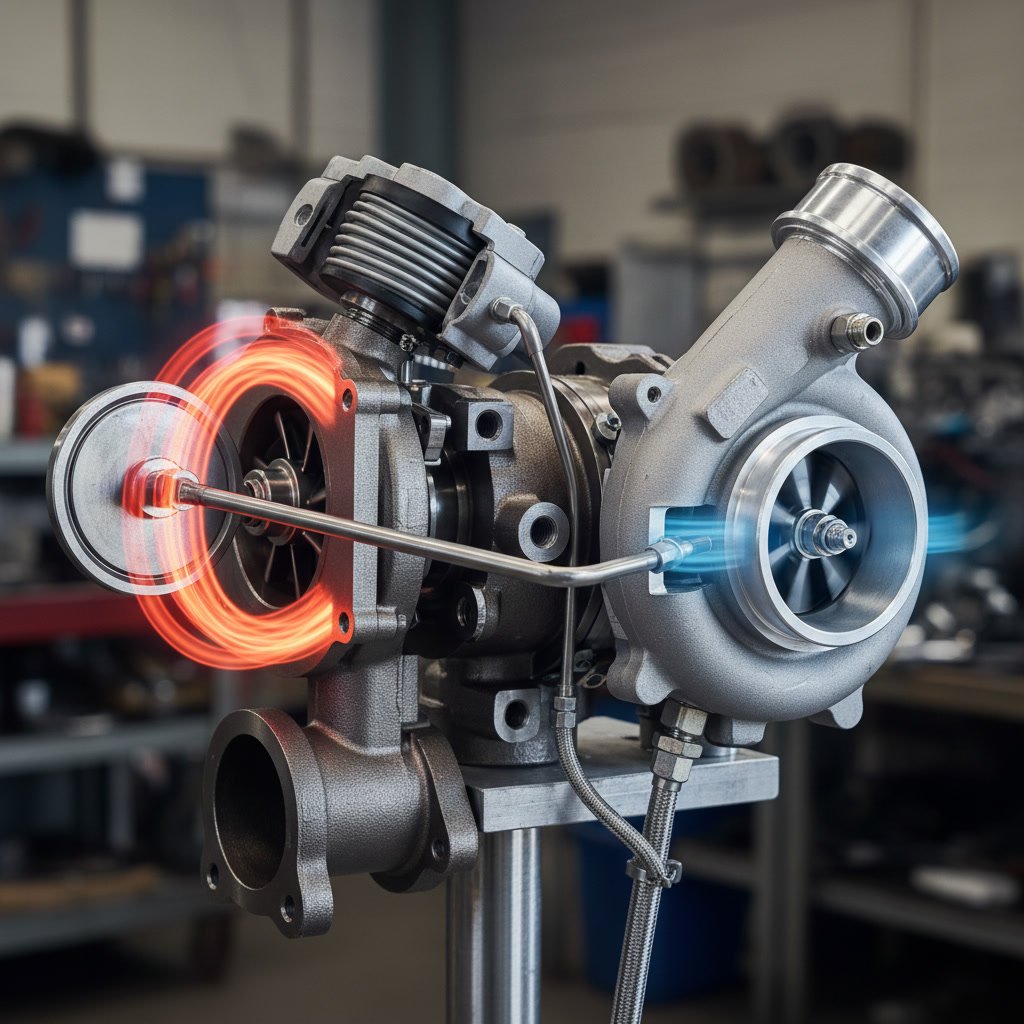
A turbocharger consists of two main sections connected by a shared shaft. The turbine housing captures hot exhaust gases leaving the engine and directs them across a turbine wheel. As exhaust spins the turbine, the shaft rotates at speeds between 80,000 and 200,000 RPM. On the opposite end, a compressor wheel draws in ambient air, compresses it, and forces it into the intake manifold. This compressed air is denser and contains more oxygen molecules per cubic inch, allowing the engine to burn more fuel per combustion cycle. Between the compressor outlet and intake manifold, an intercooler cools the compressed air, further increasing density and preventing detonation.
How Exhaust Energy Converts to Boost Pressure
Exhaust gas exits the cylinders at temperatures exceeding 1,200 degrees Fahrenheit. The turbine housing geometry controls how this energy transfers to the turbine wheel. A smaller turbine housing creates higher backpressure and spins the turbo faster at lower engine speeds, improving low-end torque. Larger housings reduce backpressure and support higher horsepower at the cost of slower spool time. Variable geometry turbos use movable vanes to adjust the effective housing size, delivering strong low-end response and high-rpm power. Boost pressure typically ranges from 10 to 35 PSI in stock diesel applications, with performance builds exceeding 50 PSI when paired with upgraded internals.
Oil Supply and the Bearing System
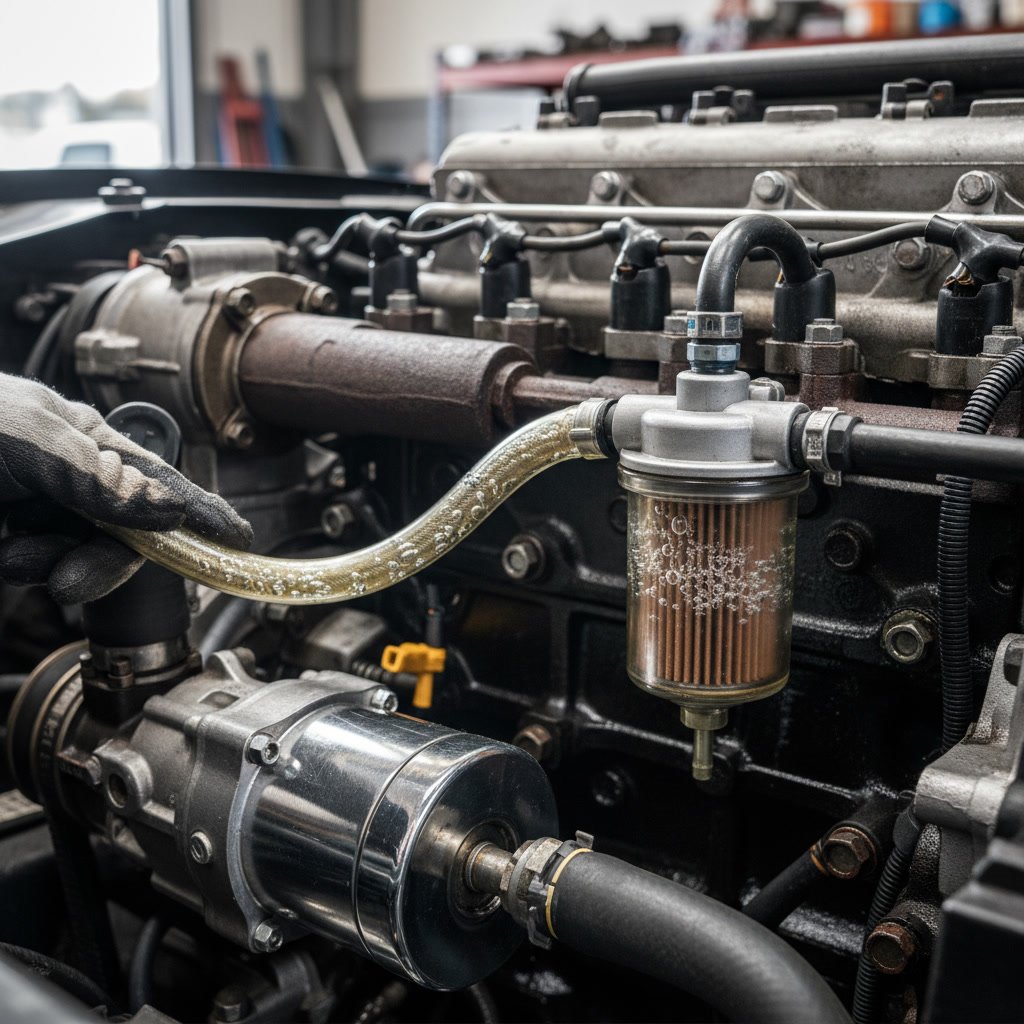
Turbocharger longevity depends almost entirely on proper lubrication. The center section contains journal bearings or ball bearings that support the shaft during extreme rotational speeds. Engine oil flows through dedicated supply and drain passages, forming a thin film that prevents metal-to-metal contact. At 150,000 RPM, the shaft moves so fast that even a momentary loss of oil pressure can cause bearing damage. Contaminated oil introduces abrasive particles that wear bearing surfaces, while oil starvation creates friction and heat. A turbo can fail within seconds if the engine runs without adequate oil pressure, which is why letting a diesel idle for 30 seconds before shutdown allows the turbo to slow down and stabilize temperatures before oil flow stops.
Five Common Causes of Turbocharger Failure
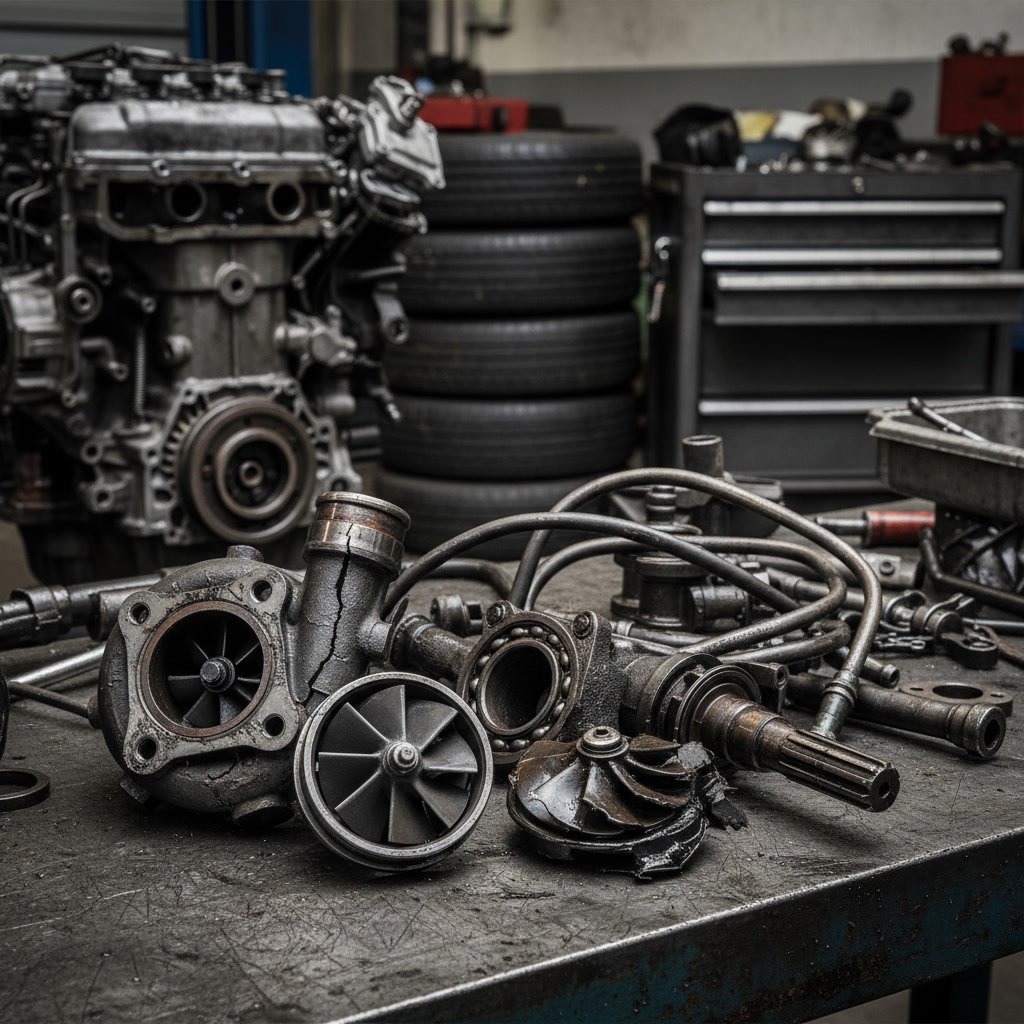
Most turbo failures trace back to a handful of issues. Oil contamination ranks first. Dirt, carbon buildup, or metal particles in the oil act like sandpaper on the bearings. Second, oil starvation occurs when supply lines clog, oil levels drop, or the engine loses pressure. Third, exhaust leaks upstream of the turbo reduce exhaust energy and allow oxygen into the turbine housing, which can overheat and warp components. Fourth, intake restrictions from clogged air filters force the compressor to work harder, increasing temperatures and shaft speed beyond design limits. Fifth, foreign object damage happens when debris enters the intake or exhaust side, chipping compressor or turbine blades and throwing the assembly out of balance.
Warning Signs of Diesel Turbocharger Problems in San Marcos
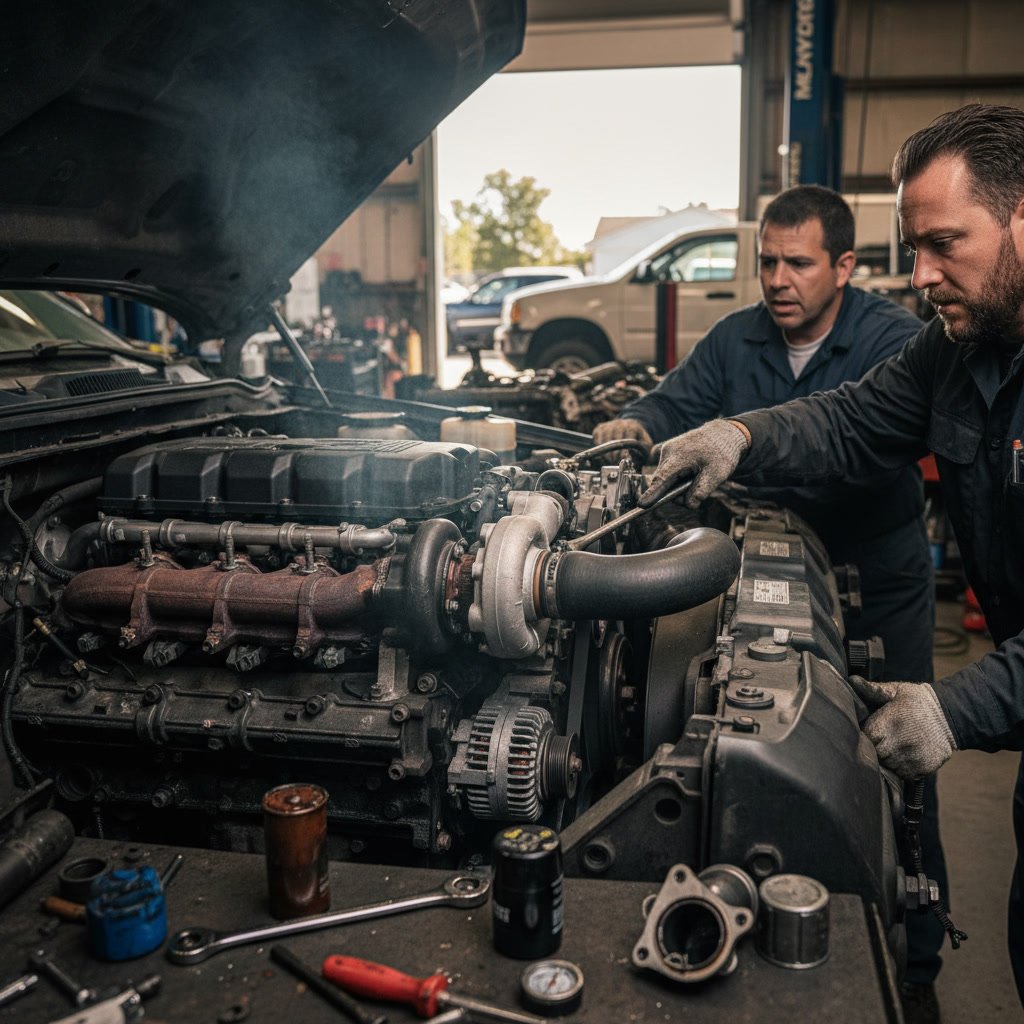
You’ll often notice performance changes before a complete failure. Blue or gray smoke signals oil burning in the exhaust, usually from worn turbo seals allowing oil to leak into the turbine housing. Black smoke indicates excessive fueling without enough air, pointing to a compressor or intake problem. A high-pitched whine or grinding noise suggests bearing wear or blade contact inside the housing. Loss of power and sluggish acceleration mean the turbo isn’t producing sufficient boost. If you experience any of these symptoms, scheduling diesel repair and maintenance quickly can prevent secondary damage to the engine or exhaust system.
How Heat Cycling Degrades Turbo Components
Every time you start and stop a diesel engine, the turbocharger undergoes a thermal cycle. Metal expands when hot and contracts when cool. Over thousands of cycles, this repeated expansion weakens the turbine housing, cracks exhaust manifold flanges, and fatigues the compressor wheel. Turbos that experience frequent short trips or rapid cooldowns face accelerated wear. One of the most damaging habits involves shutting off a diesel immediately after hard use. The turbo continues spinning without oil flow, and residual heat bakes the oil inside the bearings into carbon deposits. These deposits restrict oil passages and create friction points. Allowing the engine to idle for 30 to 60 seconds after towing or highway driving gives the turbo time to slow down and the oil time to carry away heat.
The Role of the Intercooler and Intake System
Compressed air leaving the turbo reaches temperatures above 300 degrees Fahrenheit. Hot air is less dense and more prone to preignition. The intercooler, mounted in front of the radiator or under the intake manifold, cools this air back down to near-ambient temperature. A clogged or damaged intercooler reduces cooling efficiency, forcing the engine to pull timing or limit boost to prevent damage. Similarly, intake piping with leaks allows unmetered air into the system, confusing the engine’s air-fuel calculations and potentially leaning out the mixture. Regular inspections of intercooler fins, intake boots, and clamps prevent small leaks from becoming major performance issues. Keeping the air filter clean ensures the compressor operates within its design parameters and extends turbo life.
Boost Control and Wastegate Function
Without regulation, exhaust energy would spin the turbo faster and faster, eventually exceeding safe pressure limits. A wastegate controls maximum boost by diverting exhaust gases around the turbine wheel. In older systems, a spring-loaded actuator opens the wastegate at a preset pressure. Modern diesels use electronic actuators controlled by the engine computer, adjusting boost based on load, altitude, and engine speed. When a wastegate sticks closed, boost climbs unchecked and can overboost the engine, damaging head gaskets or pistons. A wastegate stuck open reduces available boost and cuts power. Variable geometry turbos use vane position to control boost instead of a traditional wastegate, and these vanes can stick due to carbon buildup or actuator failure. Engine component repairs often include wastegate or vane cleaning to restore proper boost control.
Preventative Steps to Extend Turbocharger Lifespan
Regular oil changes using the correct viscosity and specification form the foundation of turbo care. Diesel engines generate more soot than gasoline engines, so oil degrades faster. Changing oil every 5,000 miles or per manufacturer recommendations keeps contaminants low. Always use quality filters that meet or exceed OEM standards. Allow the engine to reach operating temperature before heavy acceleration, giving oil time to flow and warm up. After hard use, idle for at least 30 seconds before shutdown. Replace air filters on schedule and inspect intake piping for cracks or loose clamps. If you tow heavy loads or operate in dusty conditions, shorten service intervals. These simple habits prevent the majority of turbo failures and keep your diesel running strong. Catching early signs your diesel truck needs immediate repair saves you from expensive rebuilds down the road.
Keeping Your Diesel Reliable for the Long Haul
Turbochargers multiply diesel performance but demand proper care to avoid costly failures. Oil quality, heat management, and clean intake air determine whether your turbo lasts 100,000 miles or fails prematurely. Recognizing warning signs early and following maintenance schedules protects your investment and keeps your truck or fleet vehicle on the road.
APREMIER Auto Shops provides complete diesel diagnostics and turbocharger repair for drivers throughout Hays County. Whether you need a boost leak test, turbo replacement, or routine service, the team has the equipment and experience to handle diesel systems correctly. Reach out at +15126497598 to schedule your diagnostic or discuss your diesel repair needs.