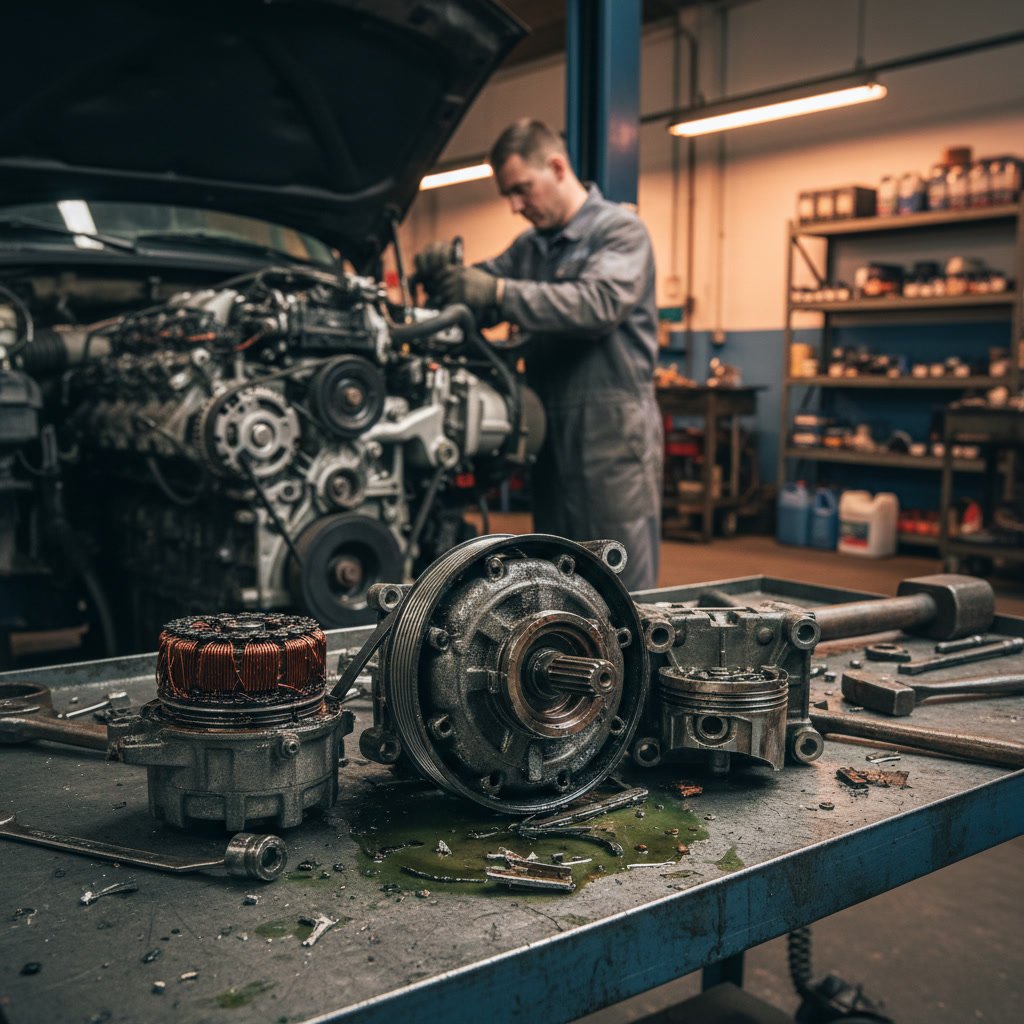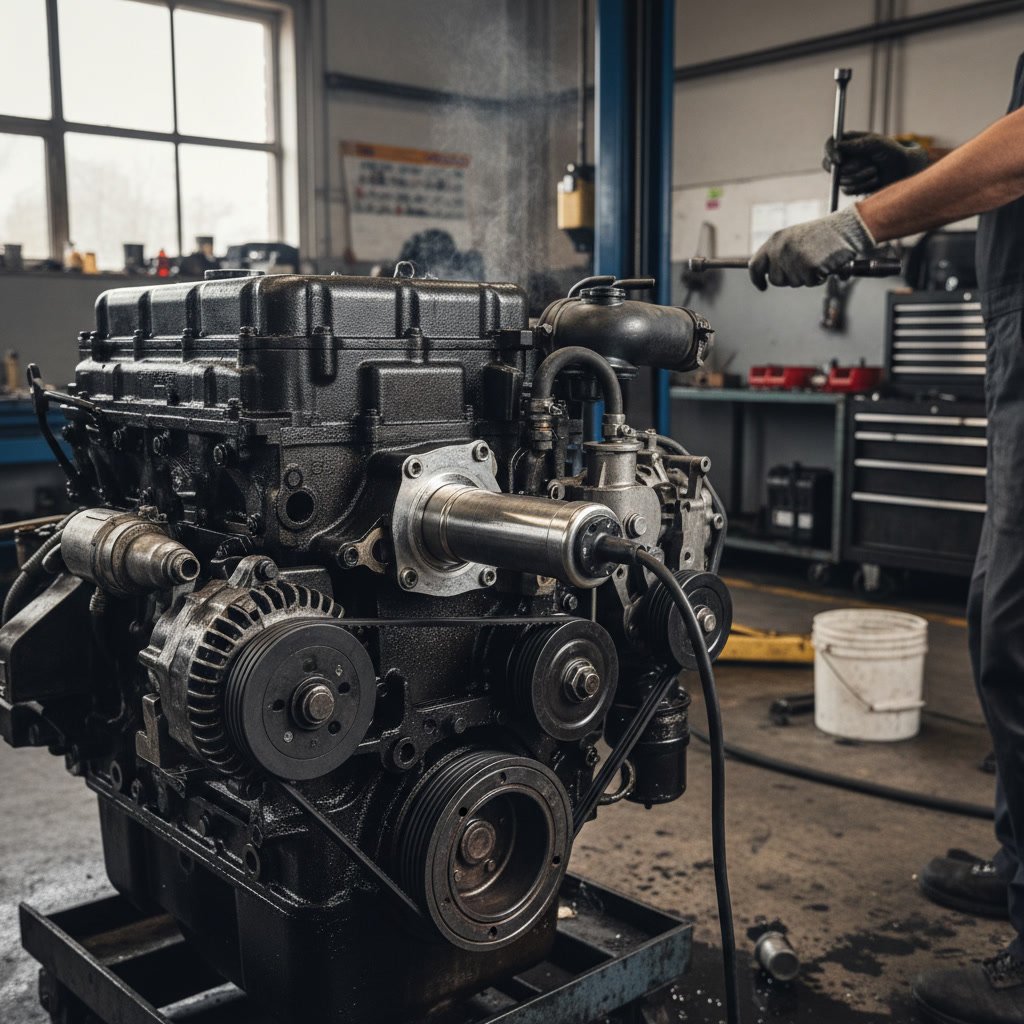
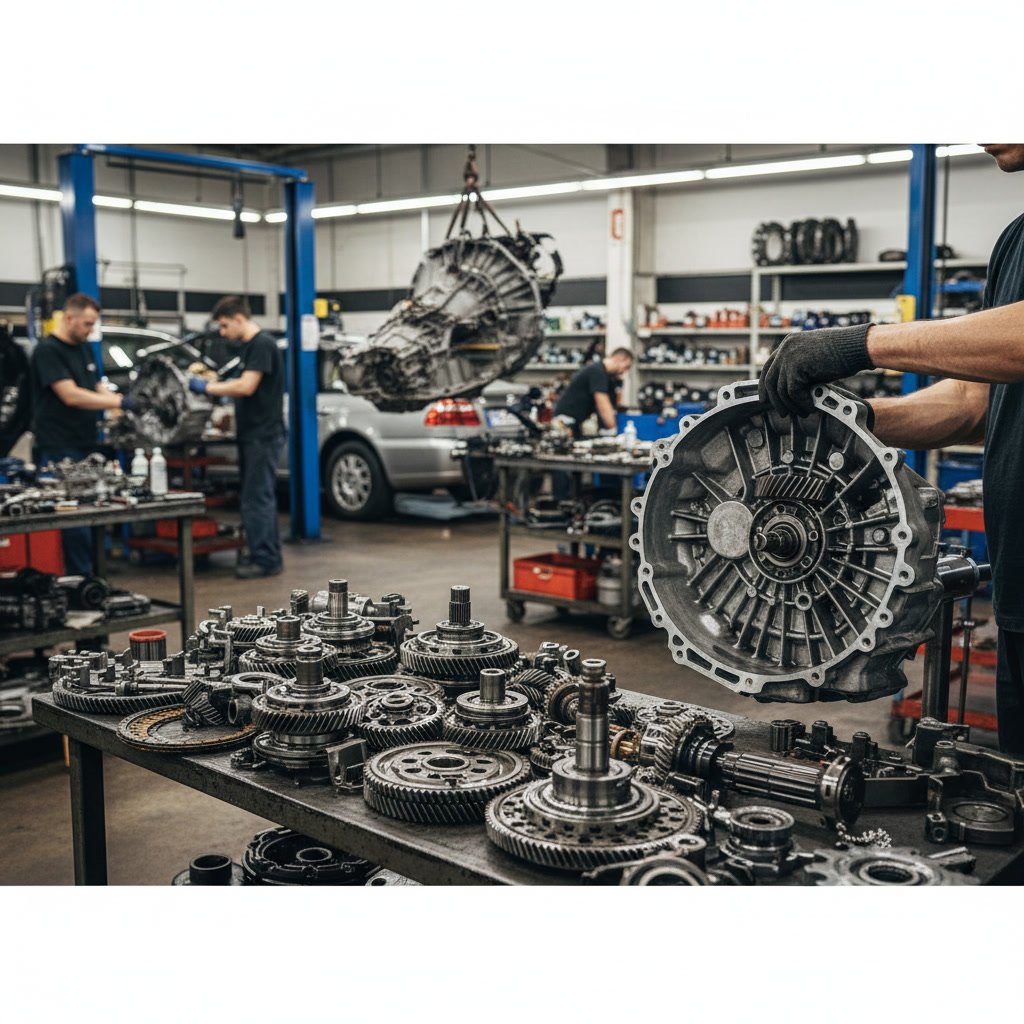
A transmission rebuild involves disassembling your transmission, inspecting all internal components, replacing worn or damaged parts, and reassembling the unit with updated seals and friction materials. This transmission rebuild process restores shifting performance and extends vehicle life at significantly lower cost than buying a new or remanufactured unit. Most rebuilds replace clutch packs, bands, seals, gaskets, and the torque converter while reusing the hard parts like the valve body, planetary gears, and case if they pass inspection.
Why Transmissions Fail and When Rebuilding Makes Sense
Automatic transmissions fail due to heat, friction, contaminated fluid, and wear over time. Internal clutch packs slip as friction material deteriorates, seals harden and leak, and valve bodies develop sticky or worn solenoids. External factors like towing heavy loads without proper cooling or skipping fluid changes accelerate wear. When your transmission slips between gears, hesitates during shifts, or leaks fluid, a rebuild often restores full function without replacing the entire assembly.
Rebuilding makes financial sense when the transmission case, hard parts, and valve body remain structurally sound. If your vehicle has high mileage but a solid engine and body, investing in a rebuild extends its service life for years. Replacement transmissions cost two to three times more than a quality rebuild, and many remanufactured units contain refurbished components similar to what goes into a rebuild anyway.
Understanding What Happens During Disassembly
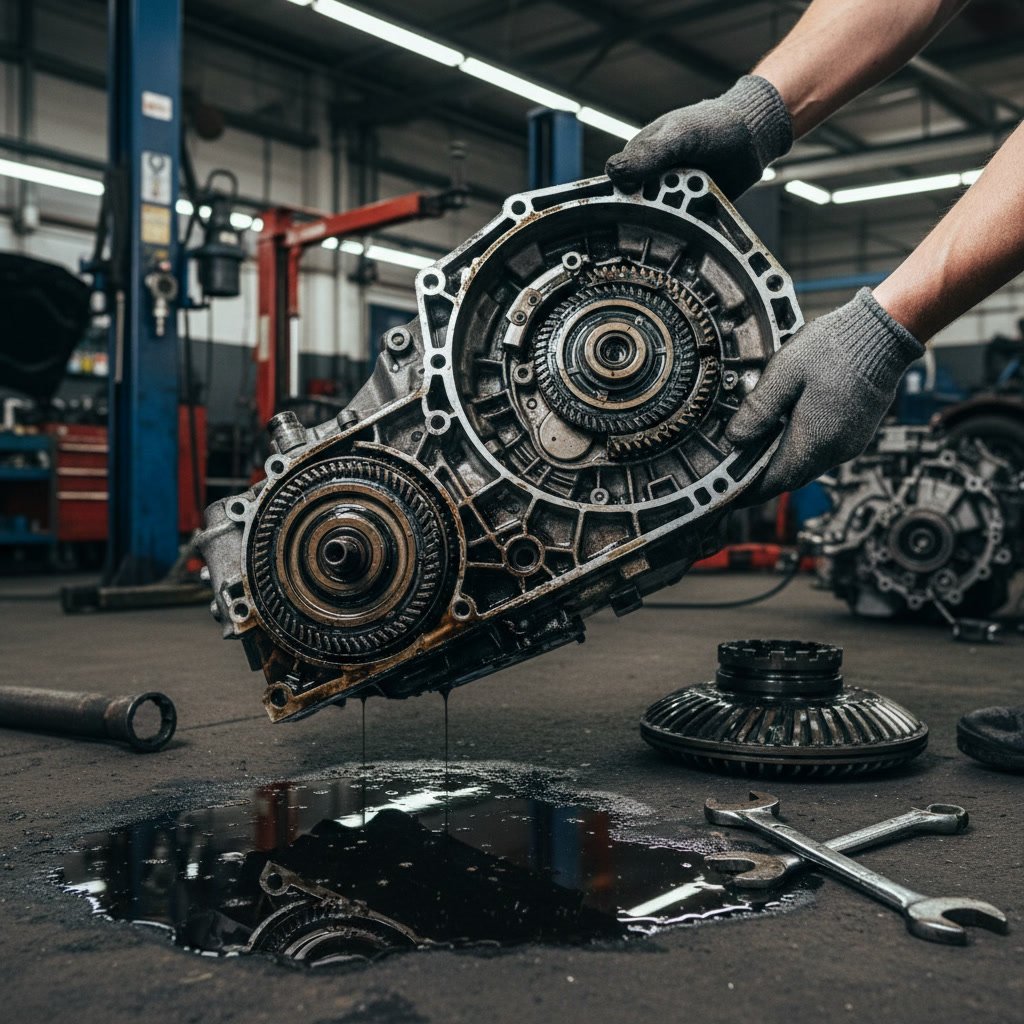
The rebuild begins by removing the transmission from the vehicle and draining all remaining fluid. Technicians separate the transmission case halves and carefully document the position of every component. Modern automatics contain hundreds of parts arranged in precise order, so detailed photos and organization prevent assembly errors. The torque converter comes off first, followed by the pump assembly, clutch drums, planetary gear sets, and valve body.
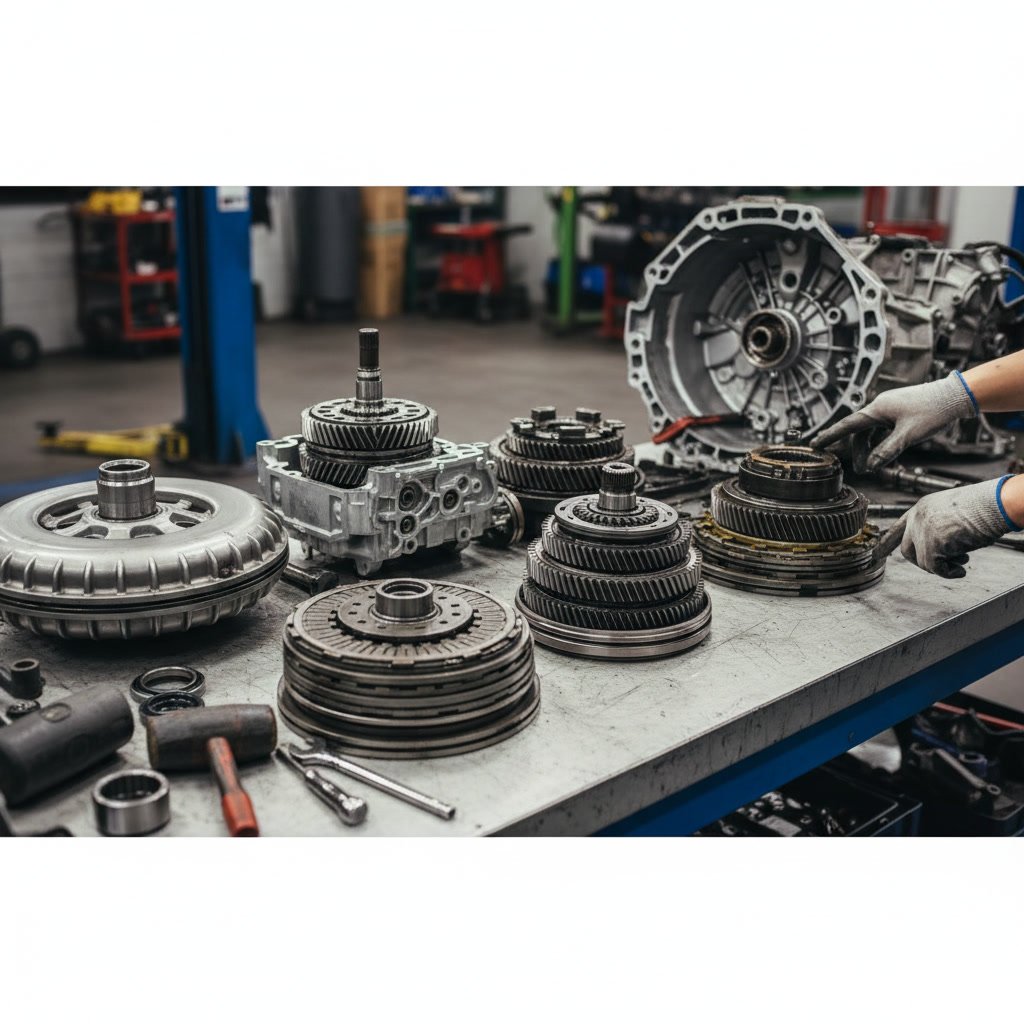
Each component gets cleaned in solvent tanks to remove old fluid, varnish, and metal particles. Technicians inspect hard parts under magnification for cracks, scoring, or excessive wear. Gear teeth, bearing races, and shafts receive careful scrutiny because damage to these components changes the rebuild scope and cost. The valve body undergoes separate inspection for worn bore surfaces and damaged check balls.
Which Components Get Replaced in Every Rebuild
Every rebuild replaces specific wear items regardless of condition. All seals and gaskets get new parts because rubber compounds harden over time and old seals will leak even if they look intact. Clutch friction plates and steel separator plates are always replaced since friction material wears down through normal use. Transmission bands, which clamp around clutch drums to hold gears, also get replaced along with their adjusting hardware.
The torque converter typically gets replaced with a remanufactured or new unit because rebuilding converters requires specialized equipment most shops lack. Thrust washers and bushings receive new parts to restore proper clearances. Filter assemblies, including the pan gasket and internal filter screens, are replaced to ensure clean fluid flow. These universal replacements form the baseline cost of any rebuild.
Hard Parts That Get Reused When Inspection Passes
Planetary gear sets usually survive if the transmission failed due to clutch or seal wear rather than catastrophic damage. These hardened steel components handle enormous loads and rarely fail unless the transmission ran without fluid or overheated severely. The transmission case and all major housings get reused when free from cracks or warped mating surfaces. Pump gears often pass inspection and return to service after cleaning.
The valve body assembly can be rebuilt rather than replaced if the casting remains sound. Technicians replace solenoids, pressure regulator springs, and check balls while reusing the aluminum body itself. Clutch drums and shafts get measured against factory specifications and reused if wear falls within acceptable limits. This selective reuse of hard parts keeps rebuild costs reasonable while maintaining reliability.
Step-by-Step Through the Reassembly Process
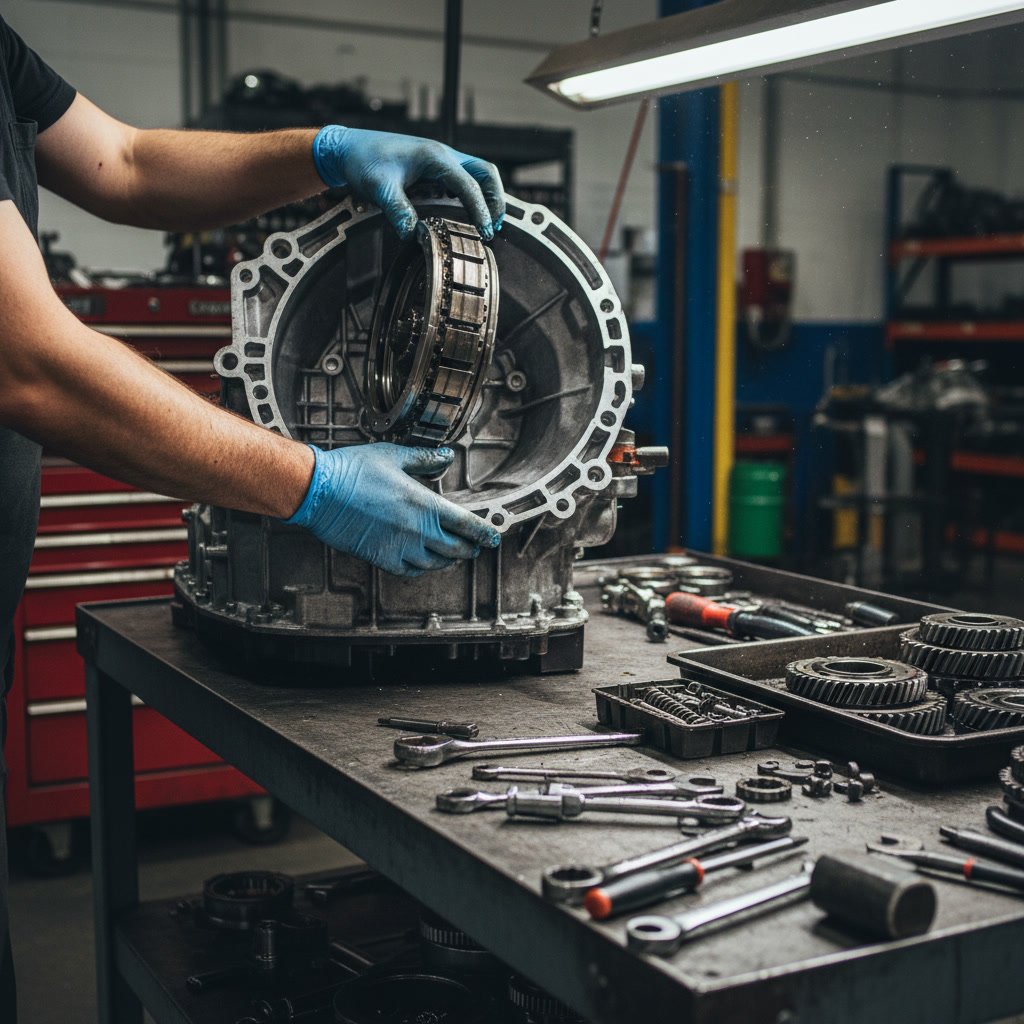
Reassembly follows the reverse order of disassembly with precision measurements at every step. Technicians install new bushings and thrust washers, measuring end play with dial indicators to verify clearances match specifications. Each clutch pack gets assembled with alternating friction and steel plates, then air-tested to confirm piston seal integrity before installation.
Planetary gear sets mount onto their shafts with new snap rings and retaining hardware. The valve body receives updated components and gets torqued to exact specifications with new bolts. Case halves mate together with fresh gasket material and sealant only where specified by the manufacturer. Over-application of sealant causes problems by breaking loose and clogging passages.
Solenoid connectors, wiring harnesses, and external seals get installed with careful routing to prevent chafing. The torque converter bolts to the flexplate with new hardware torqued in a star pattern. Every fastener follows manufacturer torque specifications because both under-tightening and over-tightening cause failures.
The Role of Upgrades and Performance Improvements
Many rebuilds incorporate upgrades that address known weaknesses in specific transmission models. Performance friction materials withstand higher temperatures than original equipment parts, making them valuable for vehicles that tow or operate in hot climates. Upgraded valve body components improve shift timing and firmness while reducing slippage between gears.
Additional clutch plates increase holding capacity in transmissions known for failure under load. Billet steel shafts replace factory parts in high-performance applications. Some rebuilds add aftermarket cooling circuits or larger fluid passages to reduce operating temperatures. These modifications prevent repeat failures and extend service intervals beyond original design specifications.
Quality Differences in Rebuild Parts and Materials
Rebuild quality varies dramatically based on parts sourcing and technician skill. Original equipment manufacturer parts match factory specifications exactly but cost more than aftermarket alternatives. Premium aftermarket brands offer equivalent or superior materials at moderate cost, while budget parts often fail prematurely due to inferior friction compounds or seal materials.
Friction plate composition affects durability significantly. Paper-based materials work adequately for standard use, while carbon fiber and Kevlar blends handle higher temperatures and torque loads. Seal materials range from basic nitrile rubber to high-temperature fluoroelastomers that resist modern synthetic fluids. Experienced shops specify parts based on your vehicle’s use pattern rather than choosing the cheapest available options.
Testing Procedures Before the Transmission Goes Back In
Professional rebuilds include bench testing before reinstallation. The assembled transmission mounts to a test stand that circulates fluid under pressure while monitoring for leaks and proper clutch engagement. Technicians verify shift timing, pressure readings at multiple test points, and smooth operation through all gear ranges. This controlled environment reveals problems that would be expensive to fix after the transmission returns to the vehicle.
Pressure testing confirms that pump output meets specifications and that valve body circuits direct fluid correctly. Each clutch pack receives individual air pressure checks to verify seal integrity and proper clearances. The testing phase catches assembly errors, defective parts, or missed damage that inspection didn’t reveal. Skipping this step saves an hour of labor but risks comebacks and customer dissatisfaction.
What Happens After Installation and Initial Startup
Once reinstalled, the transmission requires careful break-in procedures. Fresh fluid gets filled to the correct level with the engine running and transmission in park. Technicians cycle through all gear positions multiple times while checking for leaks at pan gaskets, cooler lines, and shaft seals. Initial test drives follow specific patterns that gradually load the clutch packs without aggressive acceleration or heavy loads.
The first 500 miles matter significantly for rebuild longevity. Friction materials need to seat properly against steel plates, and seals must form complete contact with their mating surfaces. Avoid towing, racing starts, or extended highway speeds during this period. Most shops recommend a fluid and filter change at 500 to 1,000 miles to remove break-in debris and metal particles that accumulate as parts seat together.
How Rebuilds Compare to Replacement Options
A quality rebuild costs 40 to 60 percent less than a new transmission and often includes better components than factory originals. Remanufactured transmissions offer lower prices than new units but quality varies widely between suppliers. Some remanufacturers perform complete teardowns similar to rebuilds, while others replace only obviously worn parts and repaint the case.
Used transmissions from salvage yards present the lowest upfront cost but carry unknown service history and mileage. You might get 50,000 more miles or experience failure within weeks. Rebuilds performed by experienced technicians offer predictable results with warranties that protect your investment. The choice depends on vehicle value, expected service life, and budget constraints.
Keeping Your Rebuilt Transmission Running Strong
Your rebuilt transmission will deliver 100,000 miles or more with proper maintenance. Fluid changes at intervals recommended by the rebuilder prevent the heat and contamination that caused the original failure. Most rebuilders specify synthetic fluid for superior heat resistance and longer service intervals. External transmission coolers reduce operating temperatures by 30 to 50 degrees, dramatically extending component life.
Regular preventative maintenance catches small problems before they damage internal components. Leaking seals need immediate attention because low fluid levels destroy clutch packs within minutes of hard use. Strange noises, delayed engagement, or harsh shifts warrant prompt diagnosis rather than continued driving. APREMIER Auto Shops provides complete transmission repair and rebuild services with transparent diagnostics and clear explanations of what your vehicle needs.
The shop serves San Marcos and surrounding communities with expertise across passenger vehicles, light trucks, and diesel applications. Whether you need routine service or major drivetrain work, the team handles diverse repair needs without sending you to multiple facilities. This comprehensive capability matters when transmission problems reveal related issues with brake or suspension systems or when fleet vehicles require coordinated maintenance scheduling.
Contact APREMIER Auto Shops at +15126497598 to discuss your transmission concerns and learn how a professional rebuild can restore reliable performance to your vehicle.