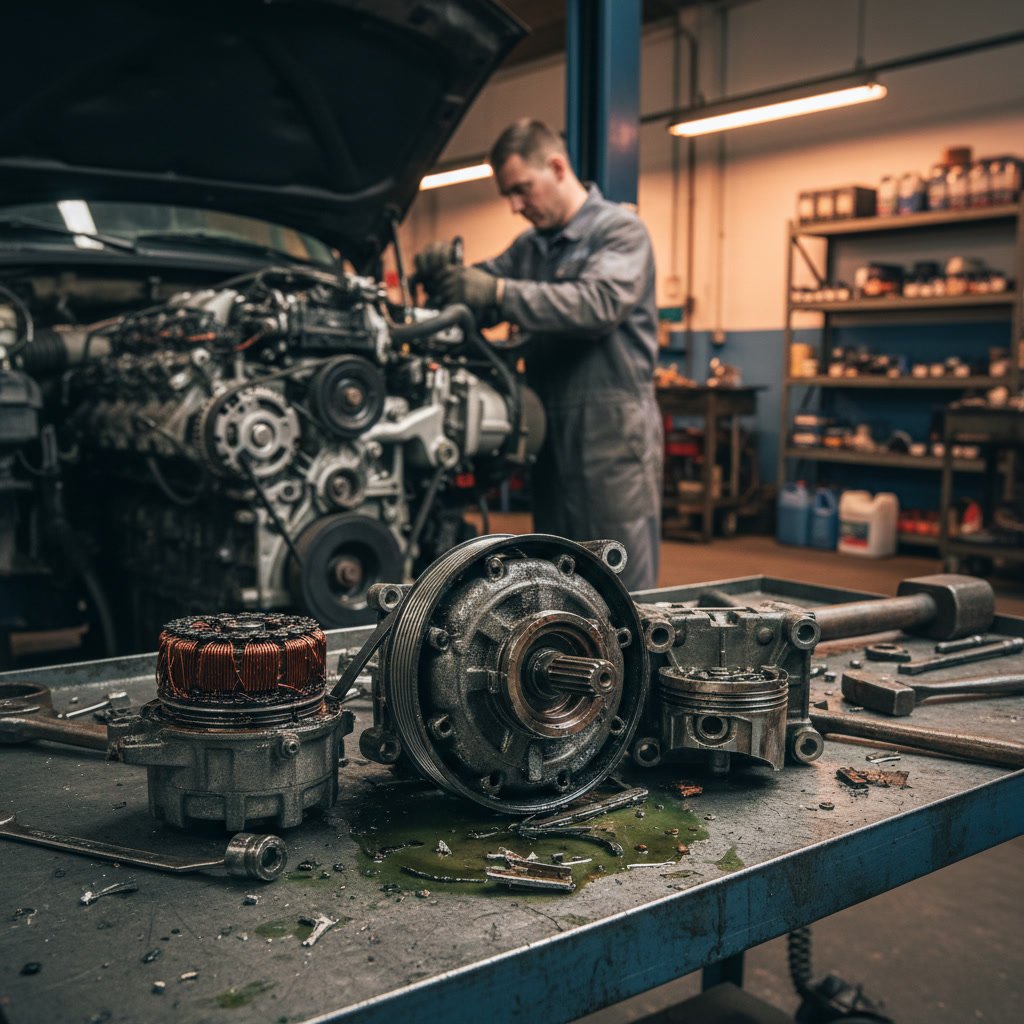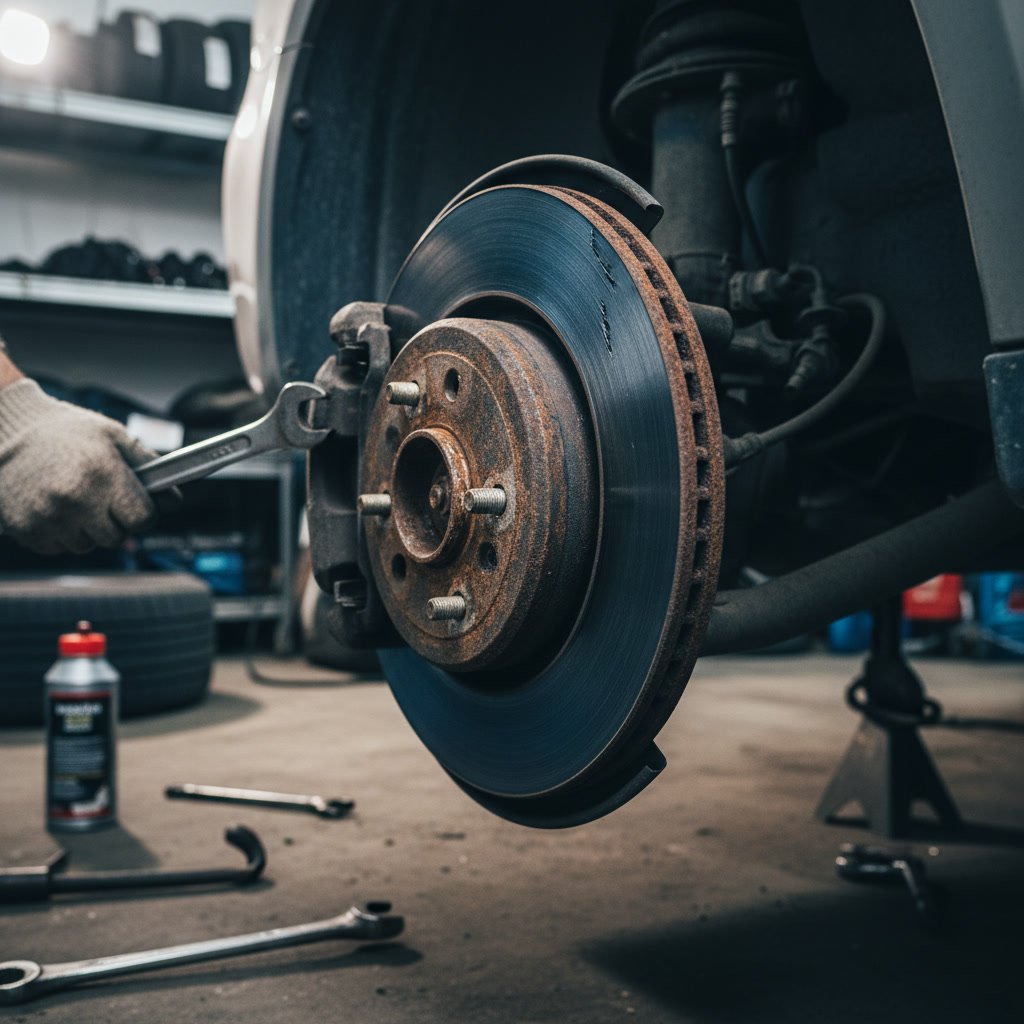
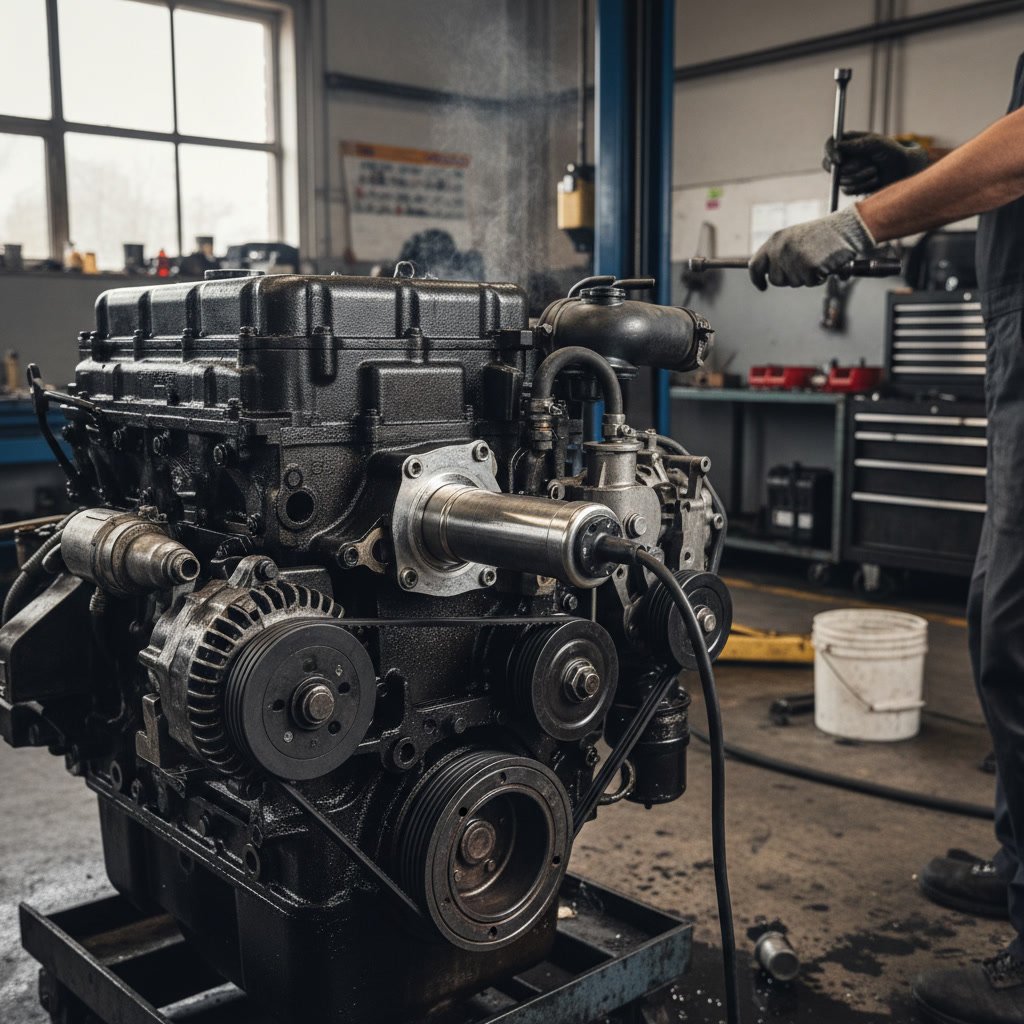
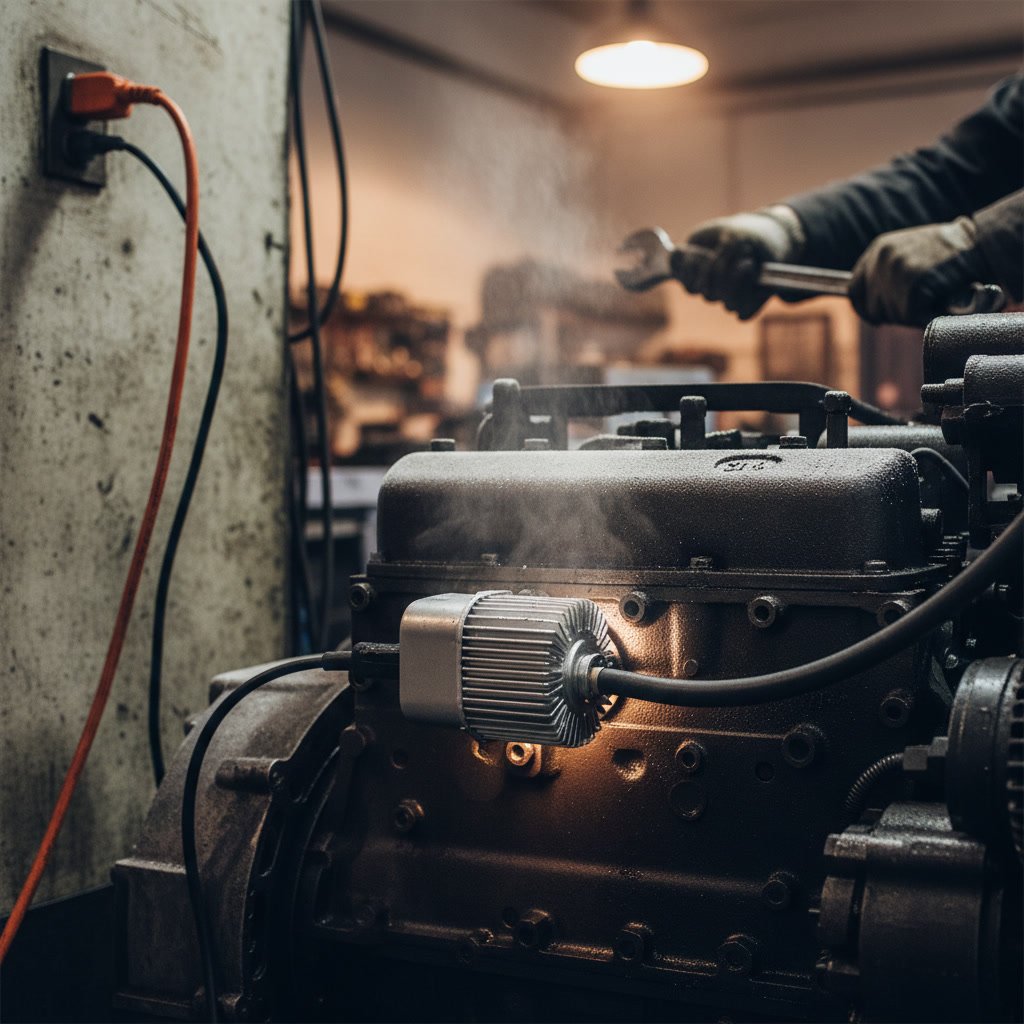
A diesel block heater is a warming device installed in the engine block that heats coolant before startup, making cold-weather starts easier and reducing engine wear. These heaters plug into a standard outlet and typically run for two to four hours before you start your truck. While they offer the most benefit when temperatures drop below freezing, they also improve fuel economy and reduce stress on engine components during any cold start.
Why Diesel Engines Struggle in Cold Weather
Diesel engines rely on compression to ignite fuel rather than spark plugs. When temperatures drop, the air inside the cylinders becomes denser and harder to compress to the point of combustion. Cold also thickens engine oil and diesel fuel, making it harder for the starter motor to turn the engine and for fuel to atomize properly in the combustion chamber.
This combination means your diesel may crank slowly, fail to start, or produce white smoke as unburned fuel exits the exhaust. Beyond the frustration of a failed start, repeated cold cranking strains the battery, starter, and glow plugs. Diesel repair and maintenance costs often spike after harsh winters because owners skip the simple step of warming the engine beforehand.
The Core Function of an Engine Block Heater
An engine block heater consists of a heating element installed directly into the engine block, usually replacing a freeze plug or threaded into a pre-drilled port. When plugged into a 120-volt outlet, the element warms the coolant surrounding the cylinders. That warmth radiates into the metal block, raising the overall temperature of the engine.
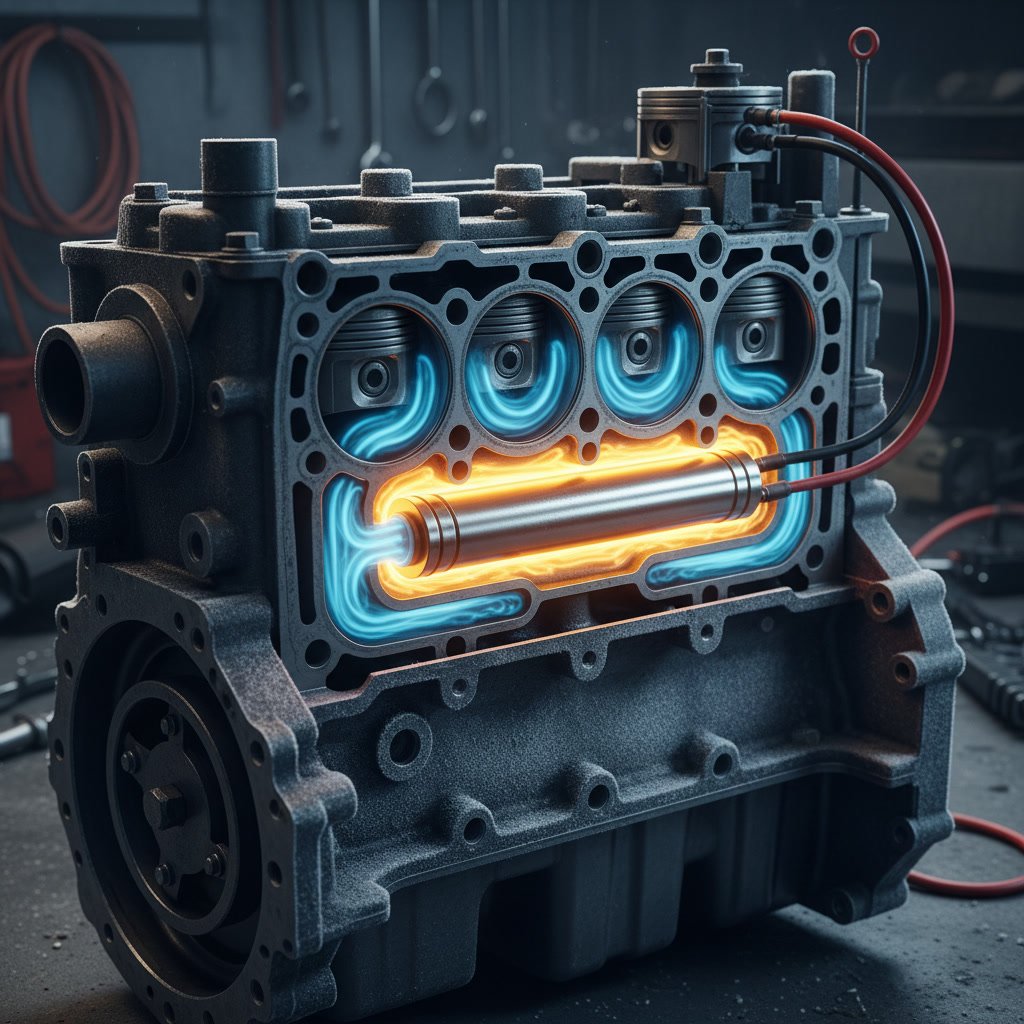
Most heaters draw between 400 and 1,500 watts, and running one for three hours raises block temperature by 30 to 50 degrees Fahrenheit, depending on ambient conditions and heater wattage. This pre-warming brings the oil closer to its operating viscosity, thins the fuel slightly, and ensures the combustion chamber is warm enough for reliable ignition.
Types of Block Heaters and Installation Options
Freeze plug heaters are the most common type. A technician removes an existing freeze plug from the engine block and presses a heater element into the opening. This design places the heating element directly in contact with coolant, offering efficient heat transfer.
Inline coolant heaters splice into a coolant hose and heat fluid as it circulates. They install more easily but may not warm the block as thoroughly. Cartridge heaters thread into a port machined into the block and sit submerged in coolant. Some manufacturers install these ports at the factory, while aftermarket kits may require drilling and tapping.
Oil pan heaters attach to the outside of the oil pan with magnets or bolts and warm the lubricant from below. They work well as a supplement but do not replace a true block heater because they do not warm the combustion chambers or coolant directly.
Temperature Thresholds for Block Heater Use
Most diesel owners benefit from using a block heater any time the temperature falls below 32 degrees Fahrenheit. Below 20 degrees, a heater becomes nearly essential for reliable starts. At zero degrees and lower, attempting a cold start without pre-warming risks damaging glow plugs, batteries, and starter motors.
Even in milder climates like San Marcos, overnight lows in winter occasionally dip into the 20s. A few hours on a block heater during those cold snaps protects your investment and ensures you are not left stranded on a frosty morning.
How Long to Run a Block Heater Before Starting
Running time depends on outdoor temperature and heater wattage. In moderate cold, two hours usually suffices. When temperatures fall into single digits, four hours provides better results. Running a heater longer than four hours offers diminishing returns because heat loss to the surrounding air eventually matches the heat input.
A programmable timer plugged between the heater cord and the outlet automates the process. Set it to turn on three hours before your typical departure time, and you wake up to a warm engine without wasting electricity overnight.
Fuel Economy and Emissions Benefits
A warm engine burns fuel more completely from the moment you start it. Cold engines run rich, injecting extra fuel to compensate for poor atomization and incomplete combustion. This excess fuel exits as black smoke and wasted money.
Studies show that pre-warming a diesel engine can improve fuel economy by 10 to 15 percent during the first 10 minutes of operation. Over the course of a winter, that adds up to meaningful savings, especially for fleet operators running multiple trucks daily. Fleet services clients who adopt block heaters report lower fuel costs and fewer maintenance claims related to cold-start wear.
Reducing Engine Wear and Extending Component Life
Most engine wear occurs during cold starts. Thick oil takes longer to reach critical components like turbocharger bearings, camshaft lobes, and piston rings. Until oil pressure builds and lubricant flows freely, metal surfaces grind against each other with minimal protection.
Pre-warming the block brings oil closer to its ideal viscosity, allowing it to flow immediately when the engine turns over. This reduces friction, protects bearings, and extends the life of expensive components. Owners who use block heaters consistently report fewer issues with turbochargers and longer intervals between engine component repairs.
Block Heaters and Diesel Fuel Gelling
Diesel fuel contains paraffin wax that solidifies when temperatures drop below a certain point, known as the fuel’s cloud point. Gelled fuel clogs filters and starves the engine. While a block heater warms the engine itself, it does not directly prevent gelling in the fuel tank or lines.
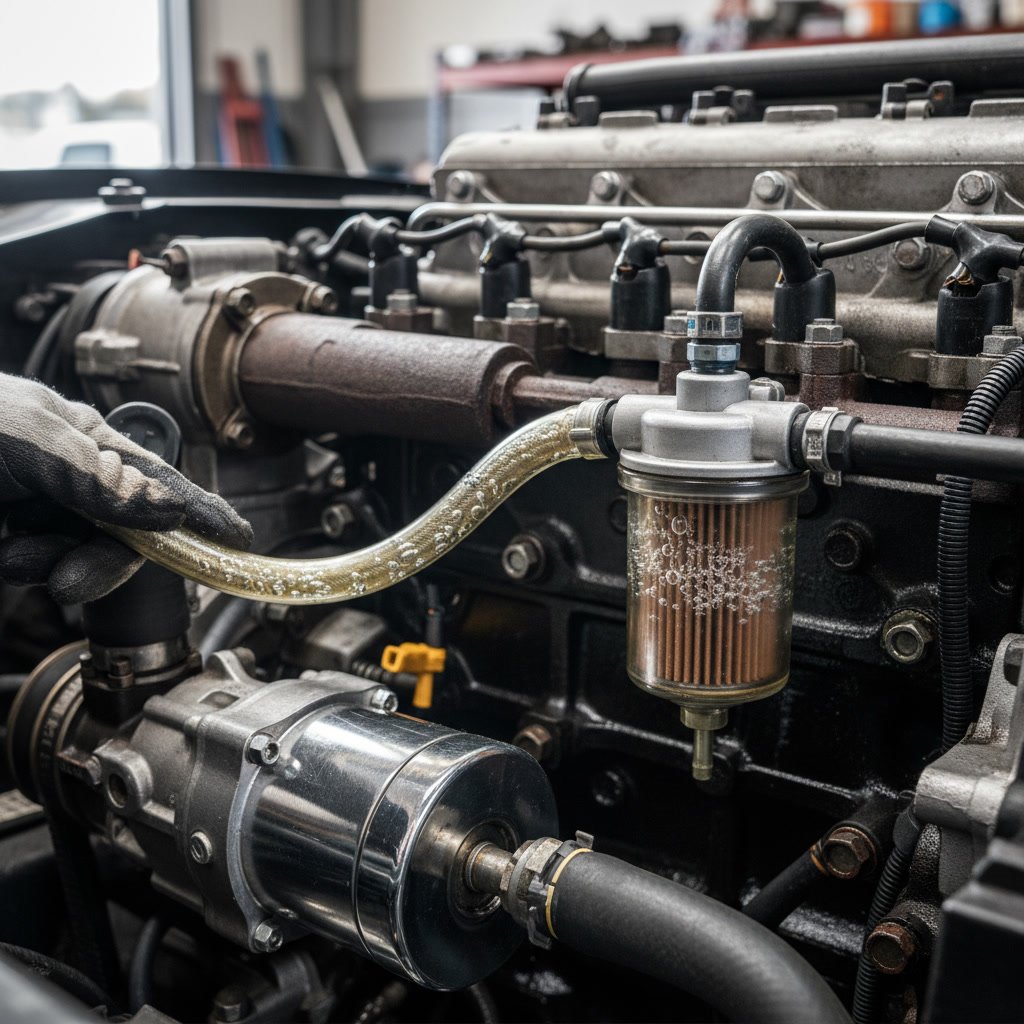
Combine a block heater with winter-blend diesel fuel or a fuel additive to lower the gel point. Some trucks also use inline fuel heaters or heated fuel filters. Understanding how diesel engines work helps you see why addressing both engine temperature and fuel condition matters equally in freezing weather.
Common Installation Mistakes and How to Avoid Them
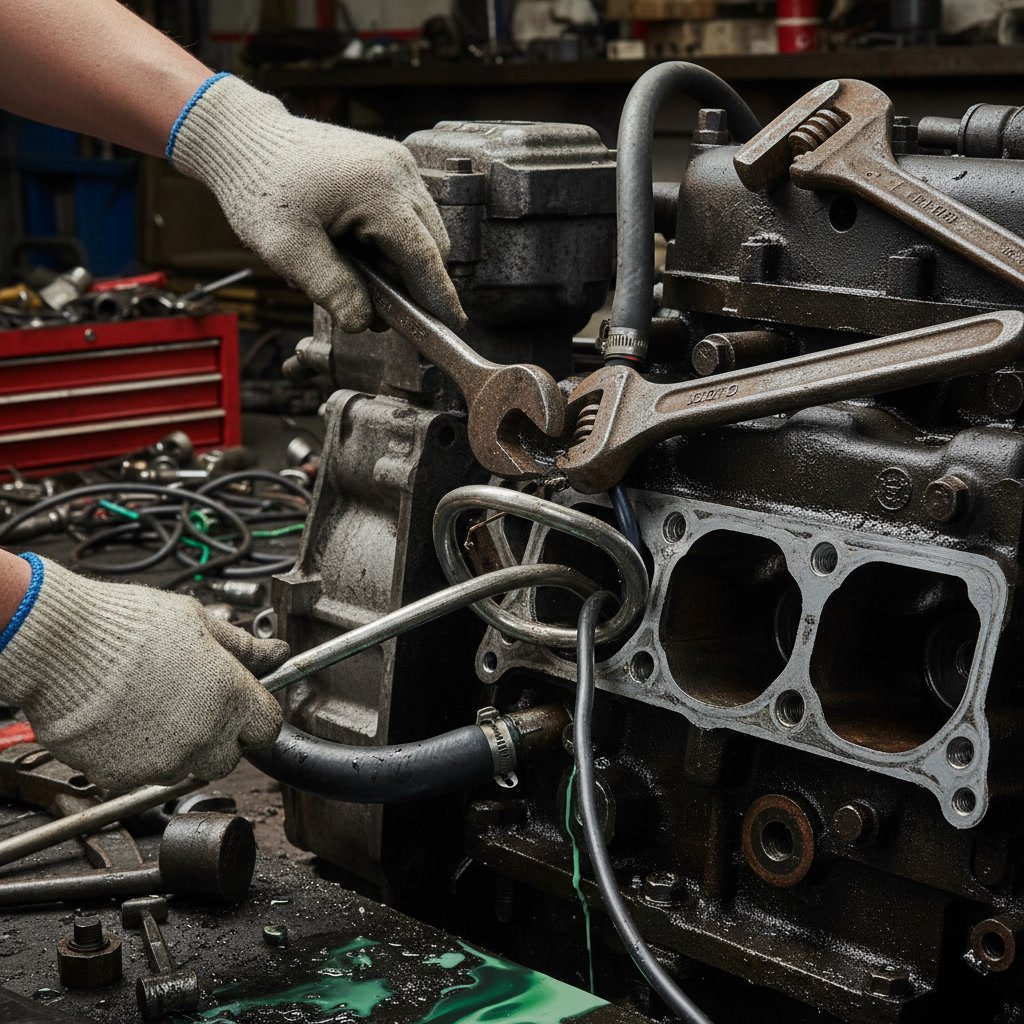
Improper installation leads to coolant leaks, electrical shorts, or ineffective heating. A freeze plug heater that seats loosely will leak coolant onto the ground and fail to warm the block. Using an extension cord rated for indoor use creates a fire hazard when moisture penetrates the connection.
Always use a heavy-duty outdoor extension cord rated for the heater’s wattage. Ensure the heater element fits snugly in the block, and apply RTV sealant if the manufacturer recommends it. Route the power cord away from hot exhaust components and moving belts. If you are not confident in your ability to install a block heater correctly, professional installation through APREMIER Auto Shops ensures the job is done safely and effectively.
Block Heaters for Different Diesel Applications
Light-duty diesel trucks, heavy-duty work trucks, and commercial fleets all benefit from block heaters, but the ideal setup varies. A half-ton diesel pickup driven occasionally in winter may need only a basic freeze plug heater and a manual timer. A three-quarter-ton work truck used daily in cold climates benefits from a higher-wattage heater and an automatic timer.
Commercial fleets often install block heaters across all vehicles and standardize on programmable timers to reduce idle time and fuel waste. Pairing block heaters with a comprehensive preventative maintenance program keeps trucks running reliably through the coldest months and minimizes downtime.
Keeping Your Diesel Ready Year-Round
A block heater is one tool in a broader strategy to protect your diesel engine. Regular oil changes with the correct viscosity for the season, clean fuel filters, and functional glow plugs all contribute to reliable cold-weather performance. Addressing minor issues before winter arrives prevents breakdowns when temperatures drop.
Whether you drive a personal truck or manage a commercial fleet, combining smart equipment choices with routine service gives you the best chance of trouble-free operation. If you notice your diesel cranking slowly, producing excessive smoke, or struggling to start even with a block heater, those are signs that your diesel truck needs immediate attention from a qualified technician.
Block heaters deliver real value by protecting your engine, improving fuel economy, and ensuring reliable starts when the temperature drops. The small investment in equipment and a few cents of electricity per use pays off in reduced wear, fewer repair bills, and the confidence that your truck will start when you turn the key. APREMIER Auto Shops provides diesel service and installation support for drivers throughout Hays County, ensuring your truck is ready for whatever the weather brings. Reach out at +15126497598 to discuss your diesel needs or schedule service.